I woke after a long bus ride from Cappadocia to the coastal town of Antalya. It consisted of frequent stops and a rotating carousel of smelly locals sitting next to me.
One thing that was frustrating me was determining the difference between Kebabs and Kebaps. It turns out that Kebabs are what we all know as skewers of meat and vegetables, the Kebap is what the Greeks and most Americans know as Gyros: meat wrapped in a pita sandwich. Now that we have that cleared up we can move on with the story.
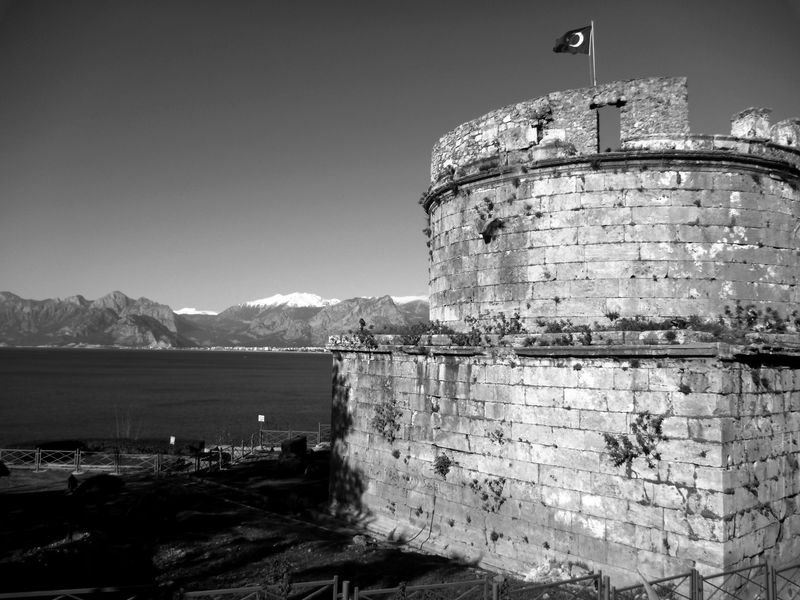
About this time I was also wondering the origin of the Turkish Flag

Not that I really had the American flag’s history down, but here it is. The star and the moon are two sky elements symbolizing the Tengriist beliefs of the sky-worshiping ancient Turks. The flag colors and designs closely resemble those on the banner of Ottoman Empire, which preceded modern-day Turkey. According to a legend, the flag represents the reflection of the moon and a star in a pool of blood of Turkish warriors.
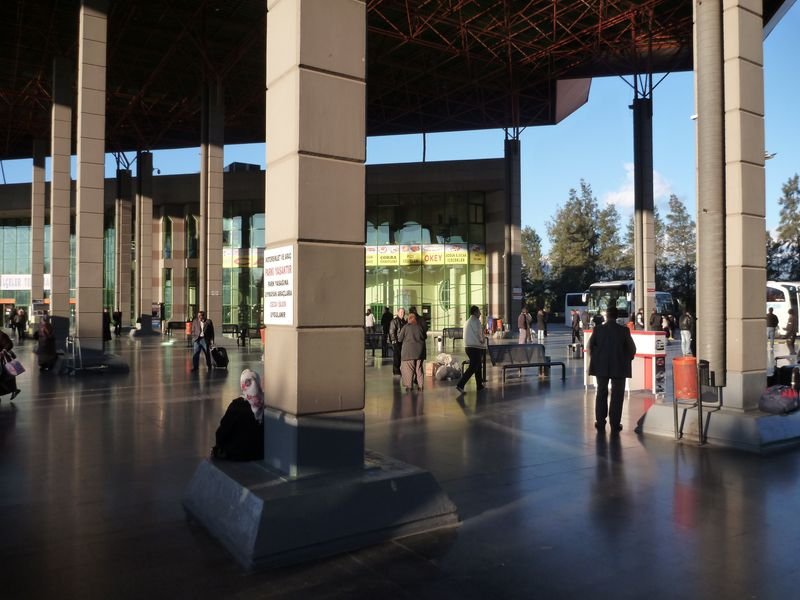
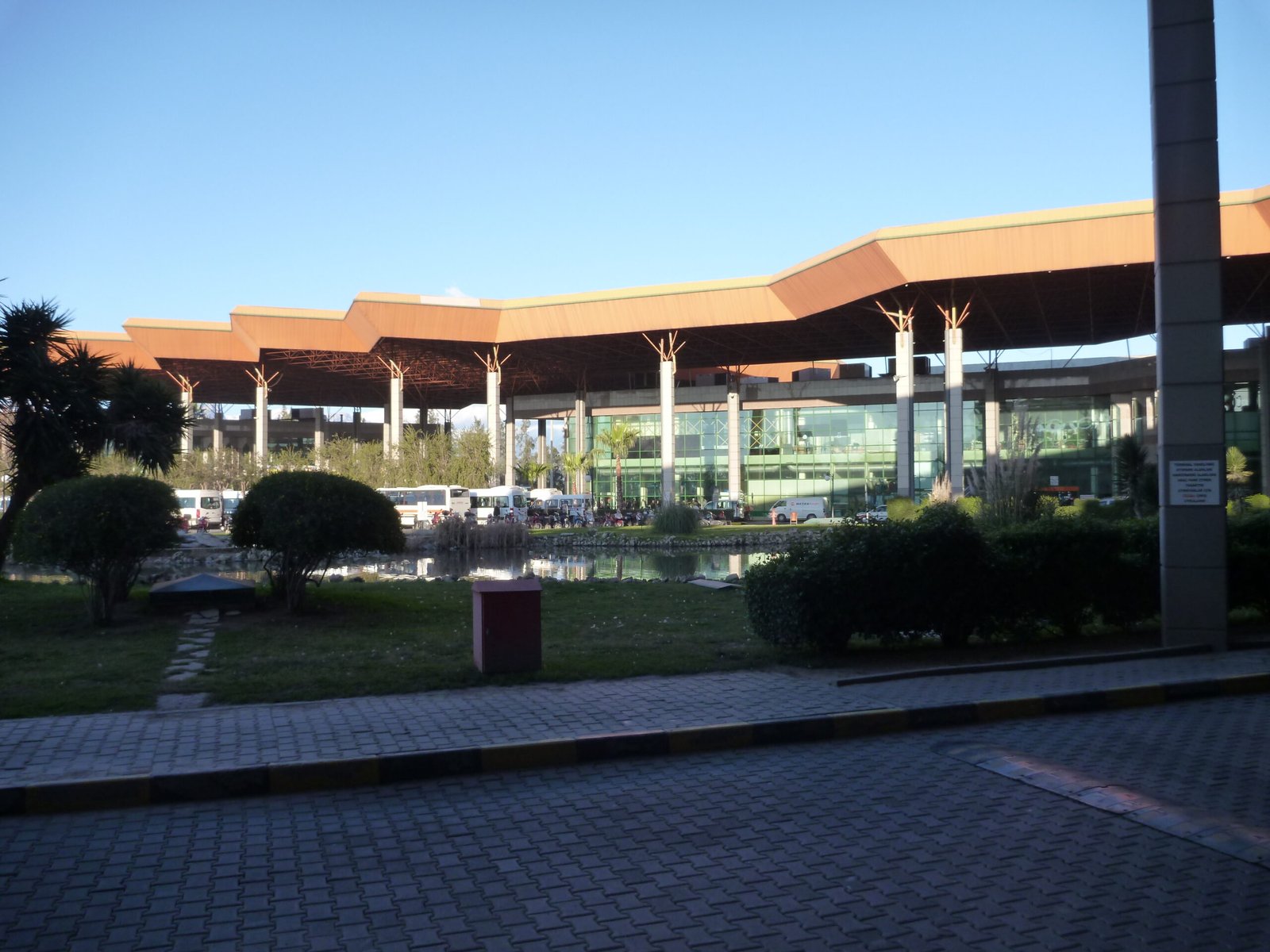
I arrived at the bus station in Antalya
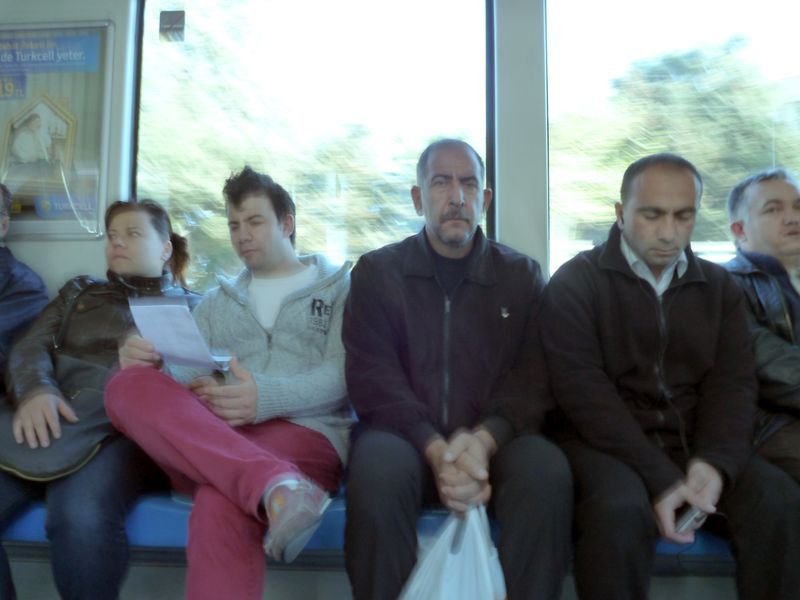
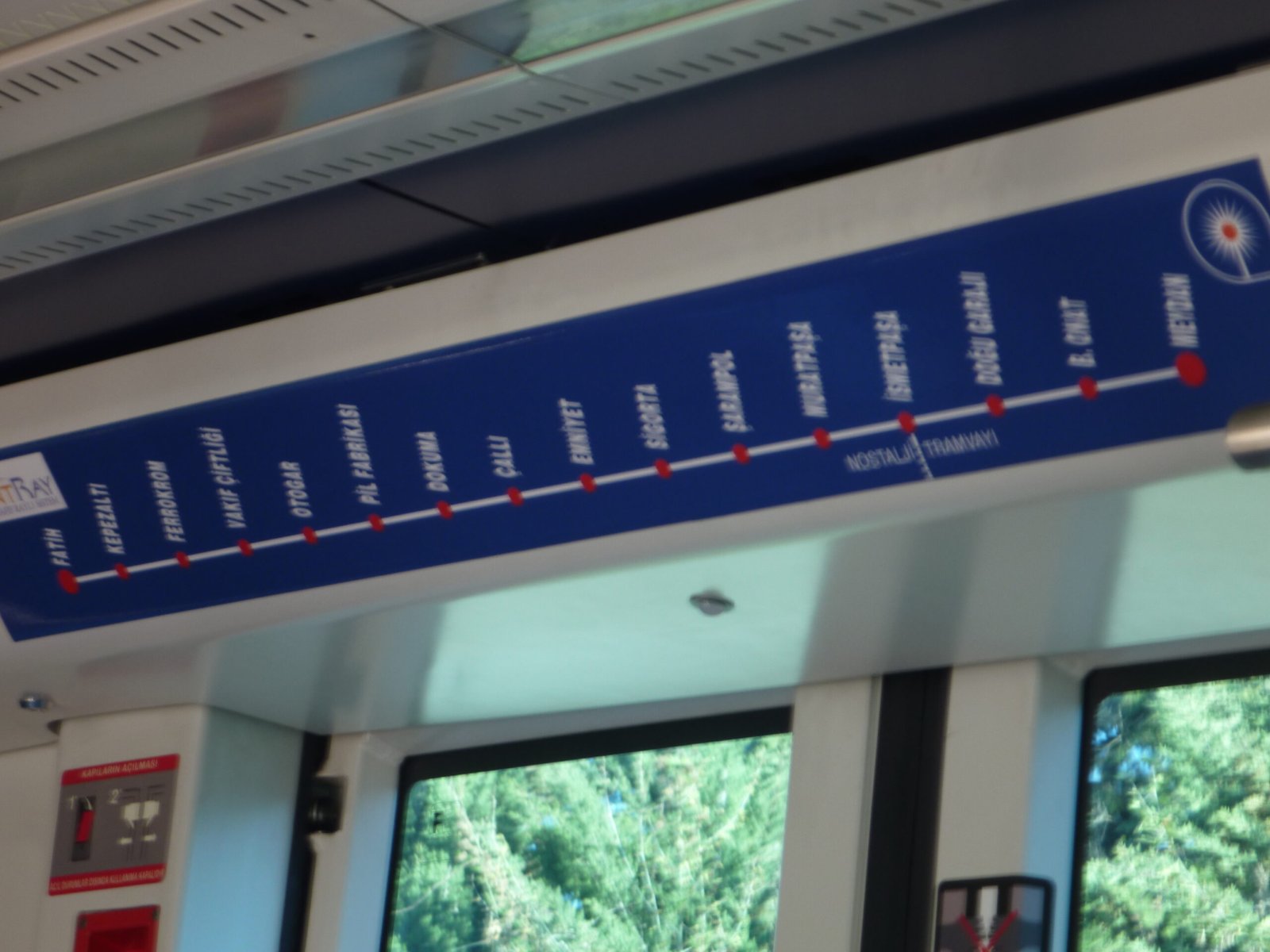
I found my way to the subway. It took a bit of work to get moving as they had no ticket station and only those with an annual pass could board here. I found a kind soul to accept 1 Lira in exchange for swiping their pass. This happened a couple of times on the trip. They dissuade tourists from talking certain rails, but I was all about taking the direct route and was determined to make it work.
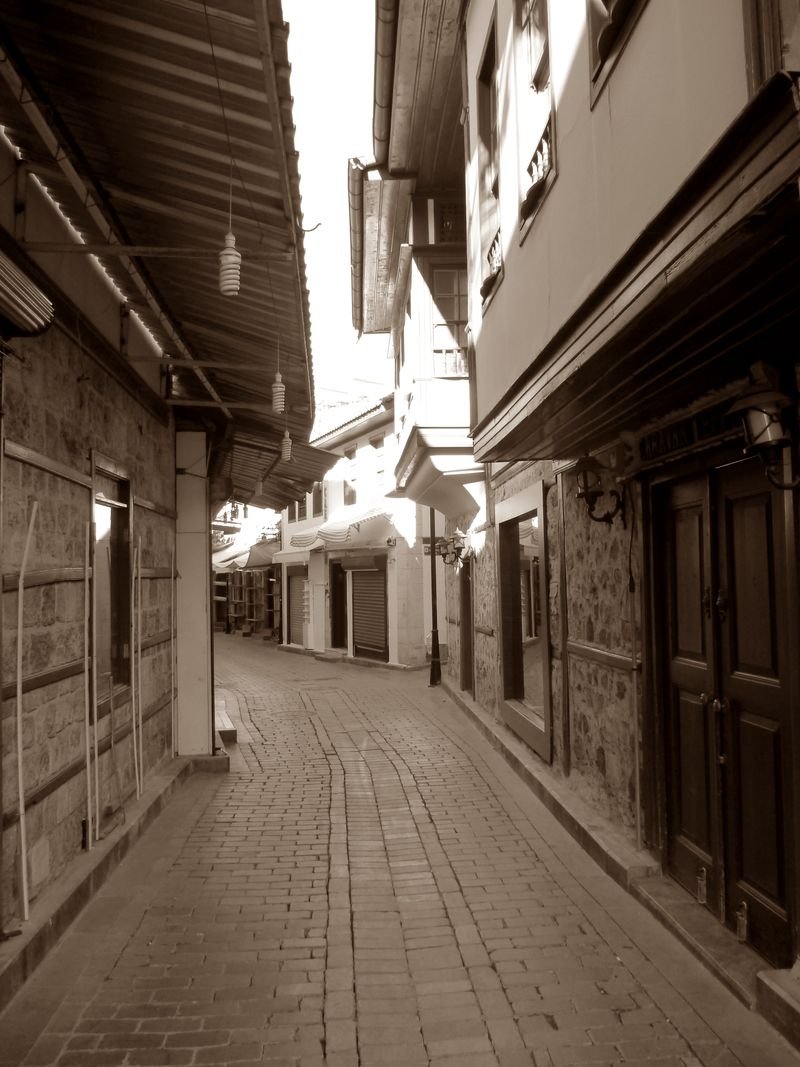
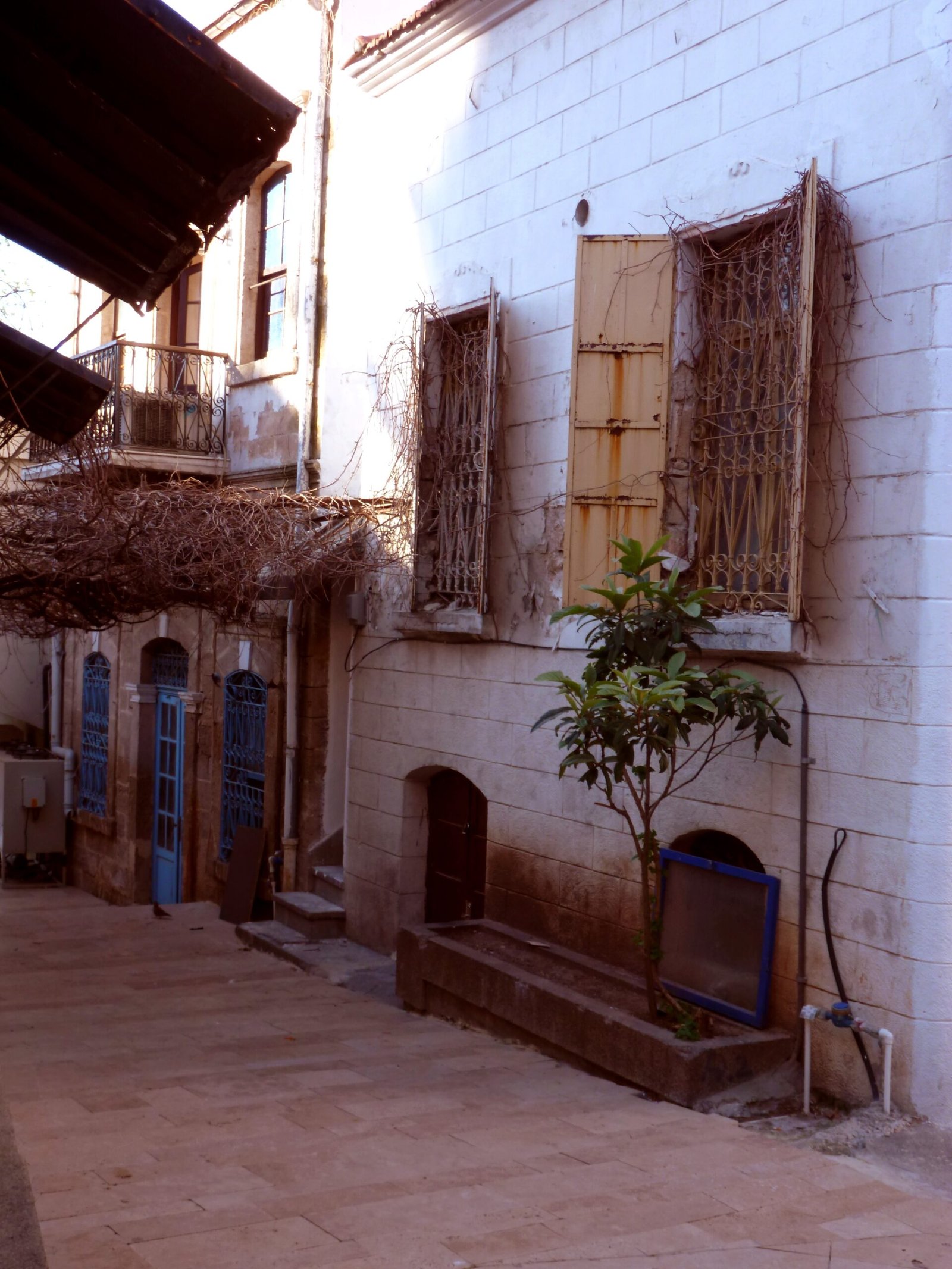
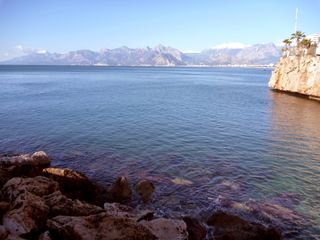
Antalya is the largest city on the Turkish Mediterranean coast, and is one of the hubs of the so-called Turkish Riviera. It is home to the neighborhood of Kaleici (Historic District) along the water. I was hoping it might give me a glimpse into the past f Turkey. It was about 8am so most of the area was quiet and closed. I made my way down to the water
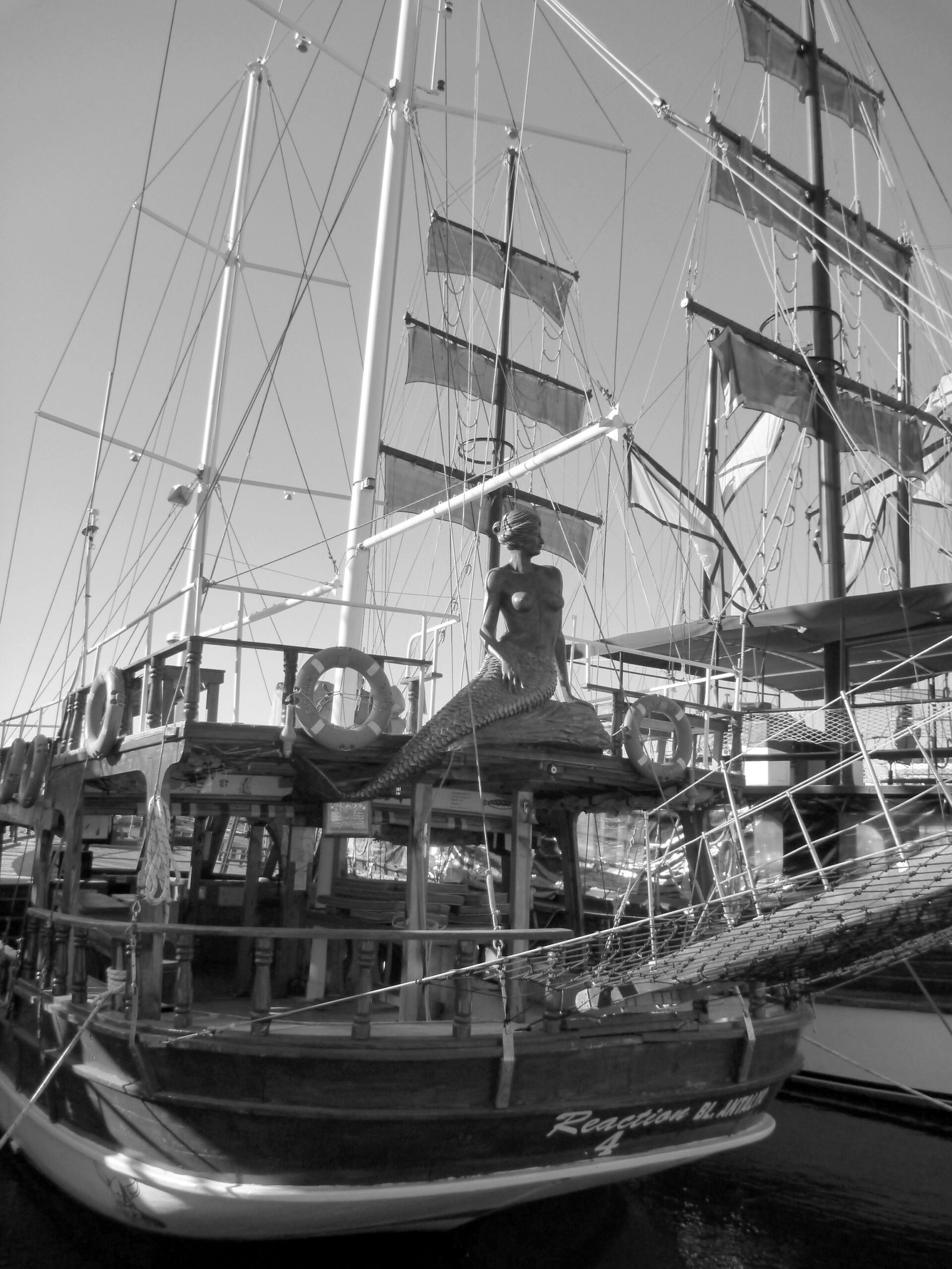
There were tons of pleasure cruise boats looking to attract tourists for an afternoon on the water. It was kinda comical as they all were pretty corny decked out with Pirates of the Caribbean figures and banners.
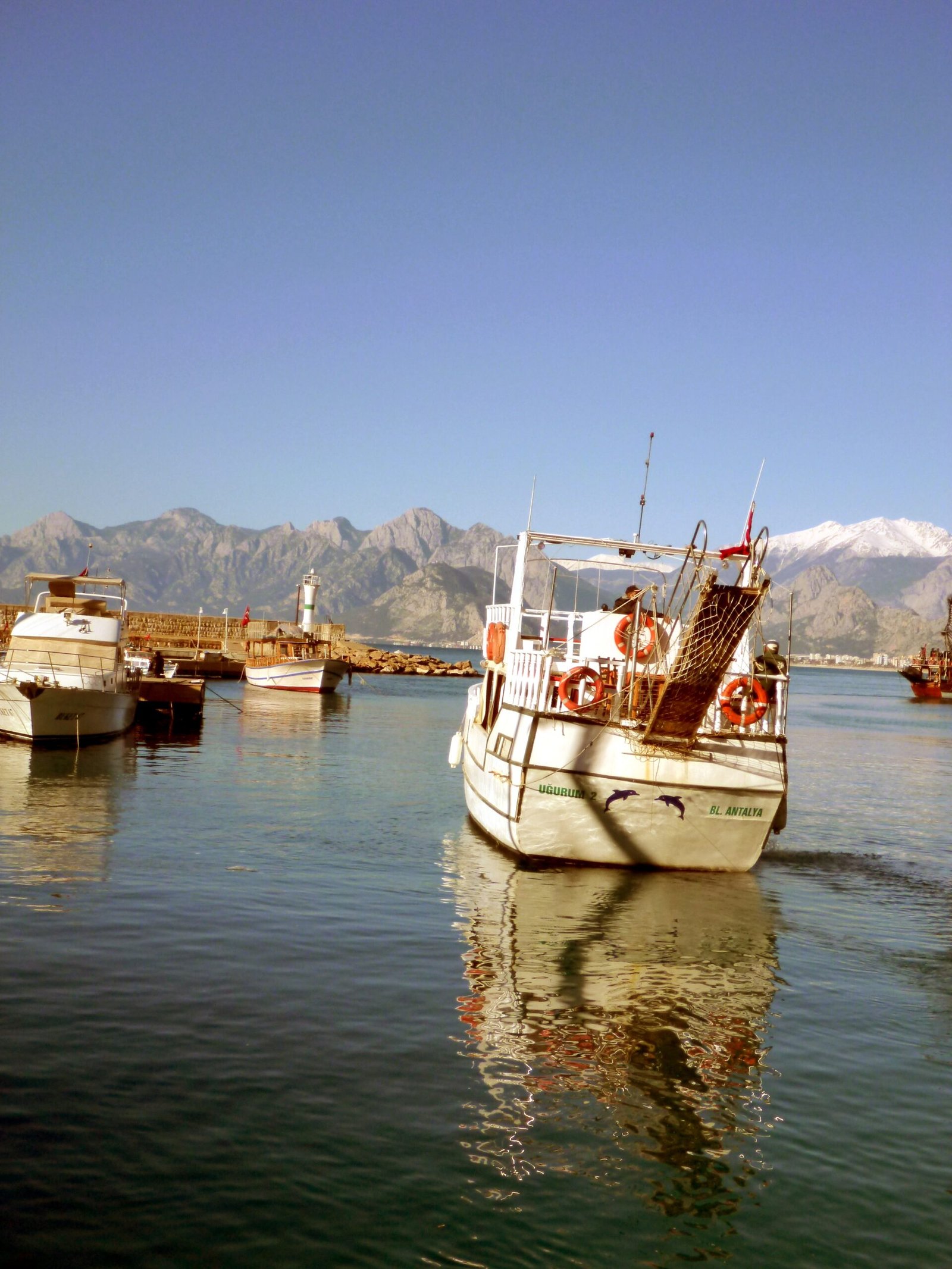
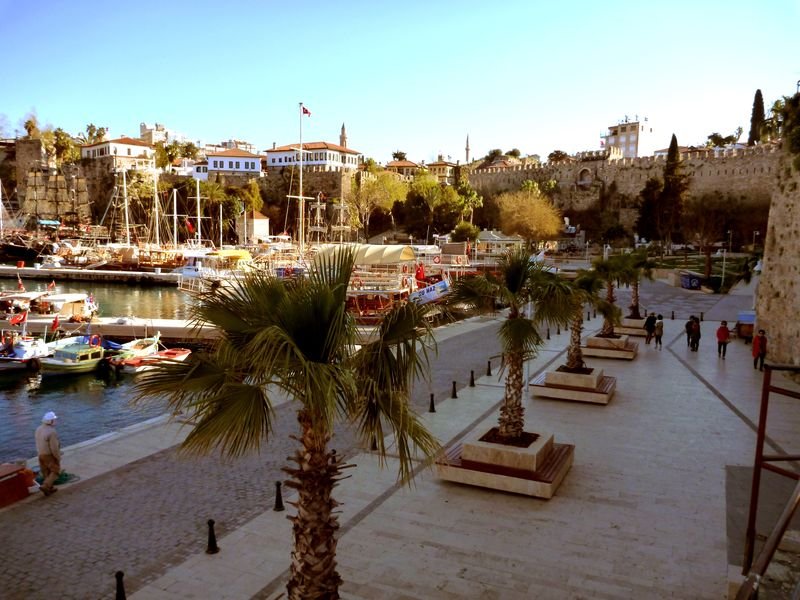
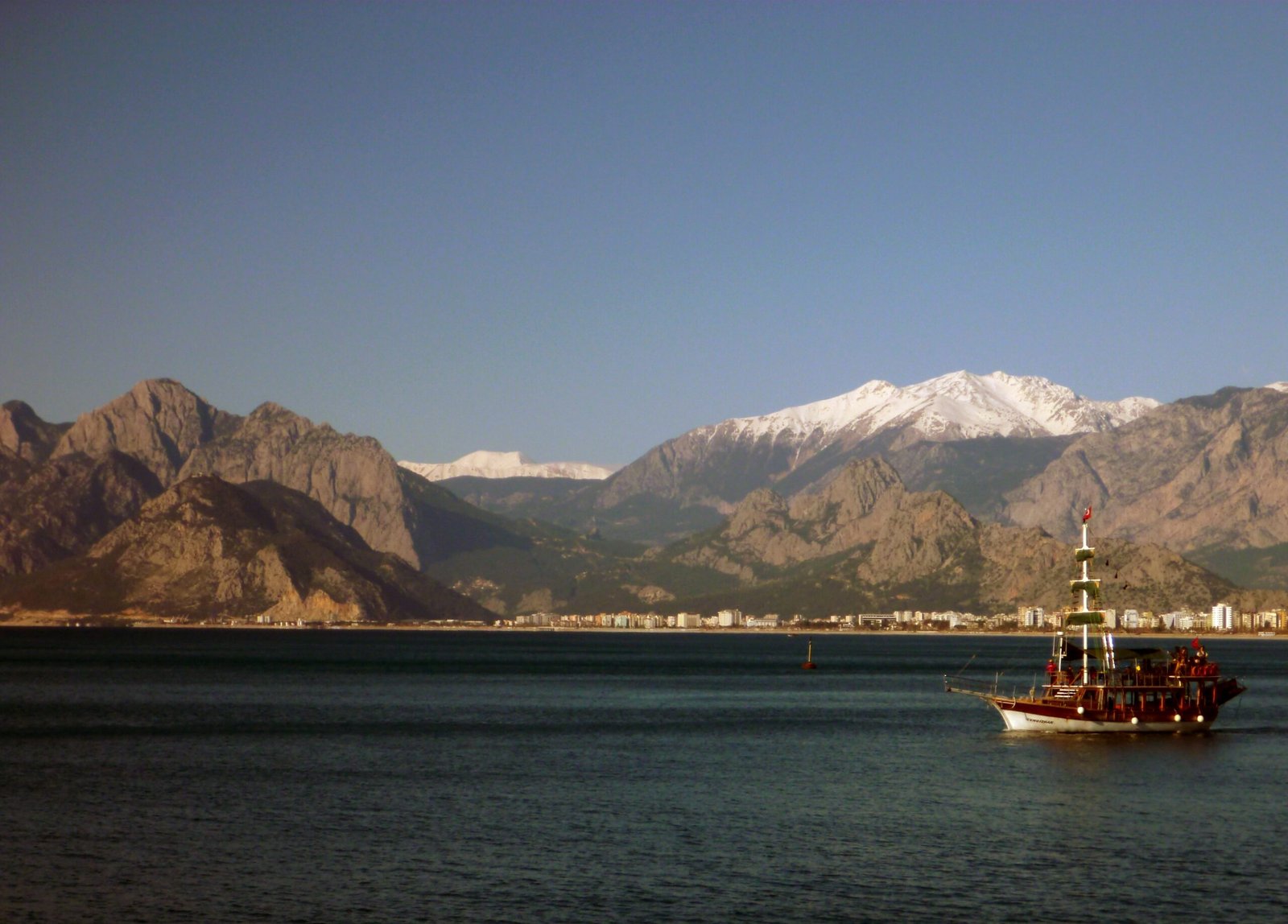
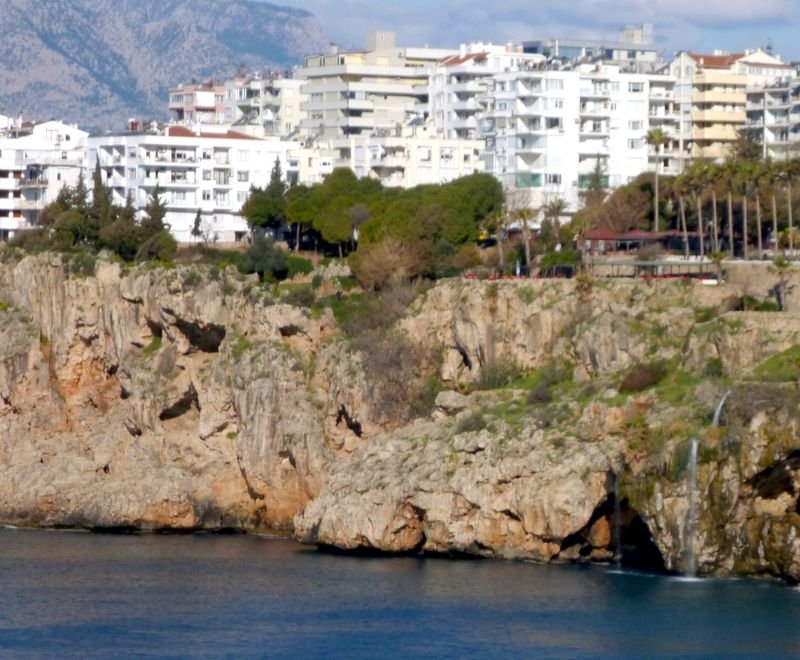
I climbed up another side of the marina an continued on along the water, taking in a few ruins
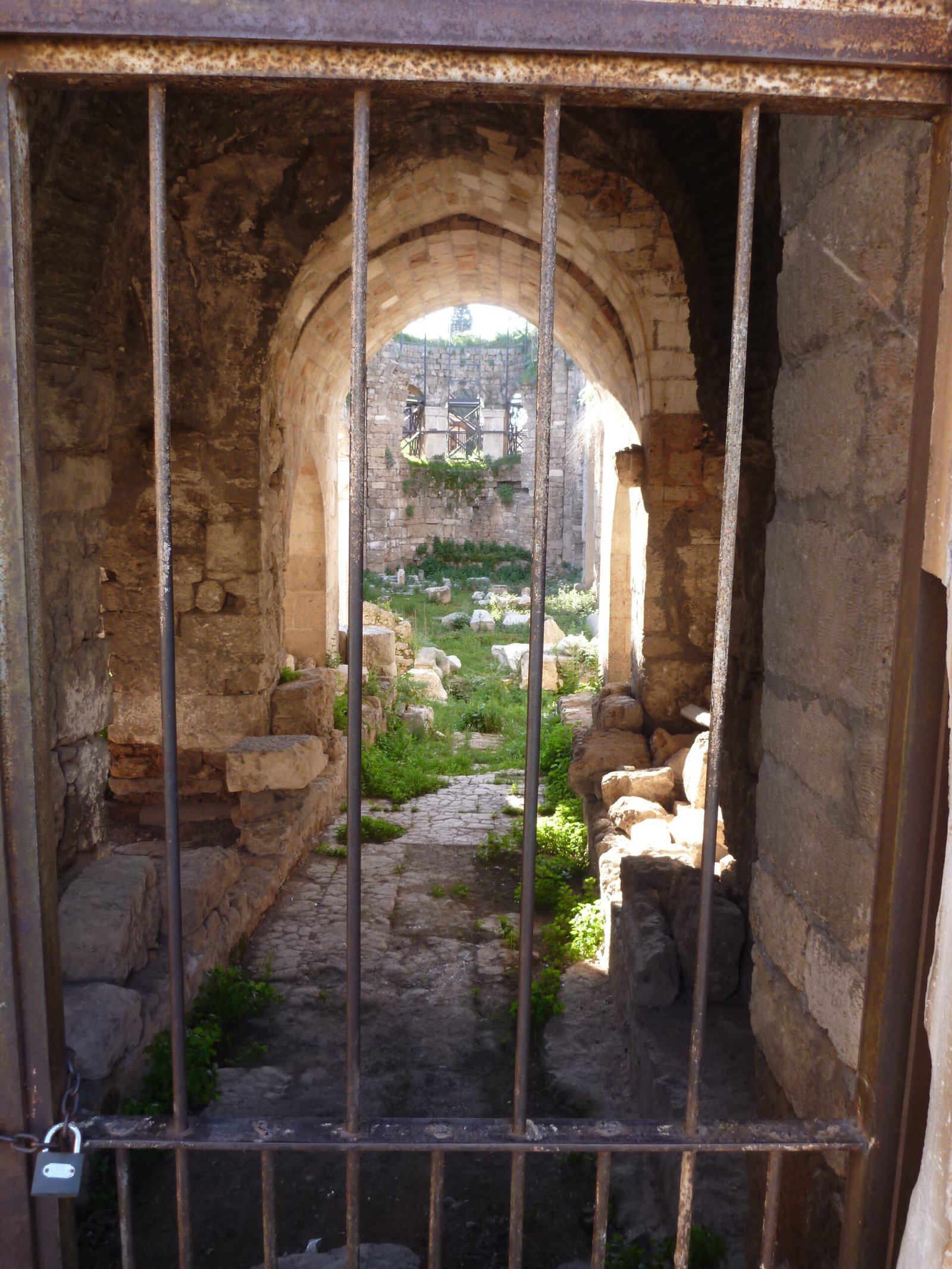
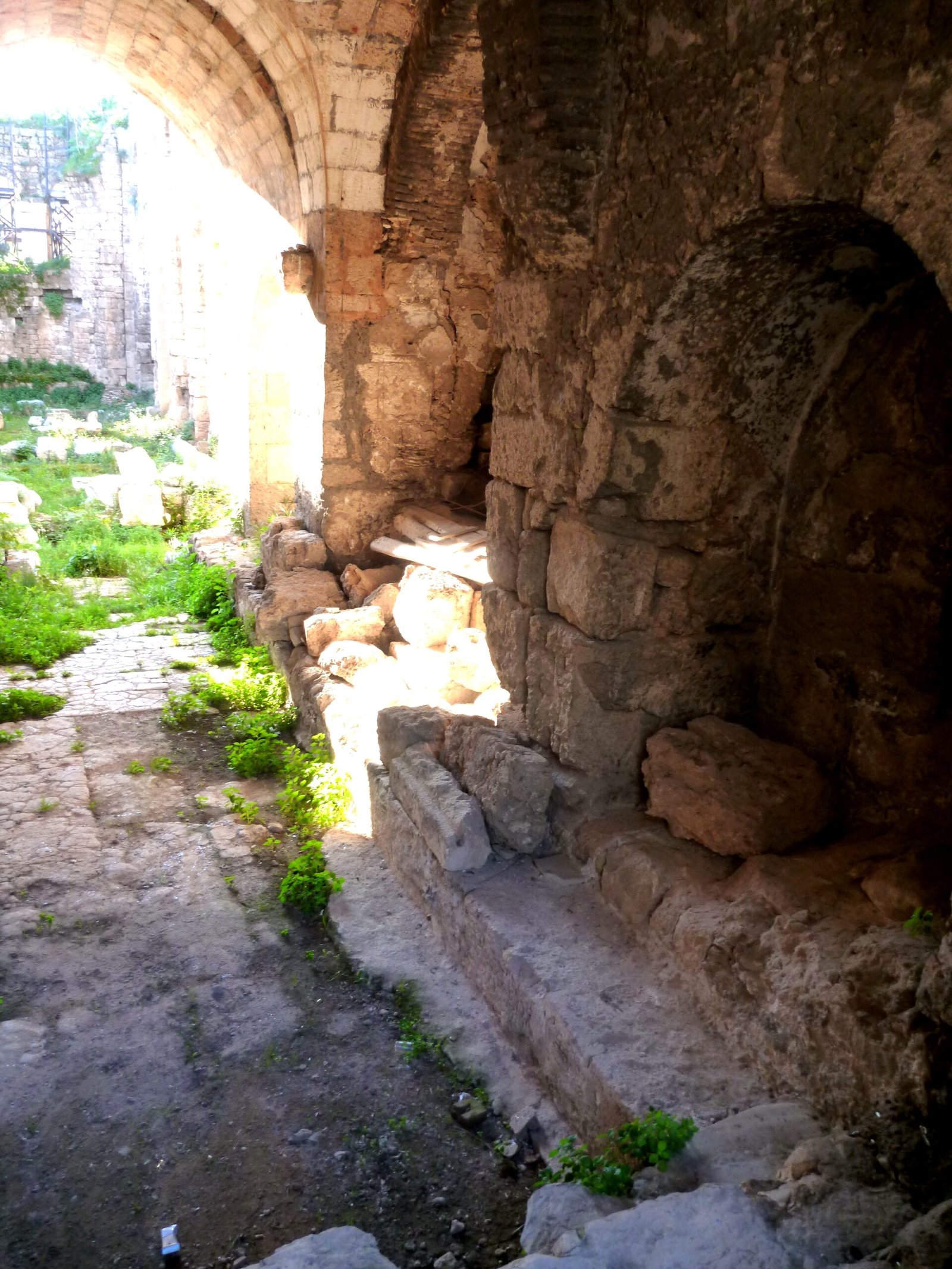
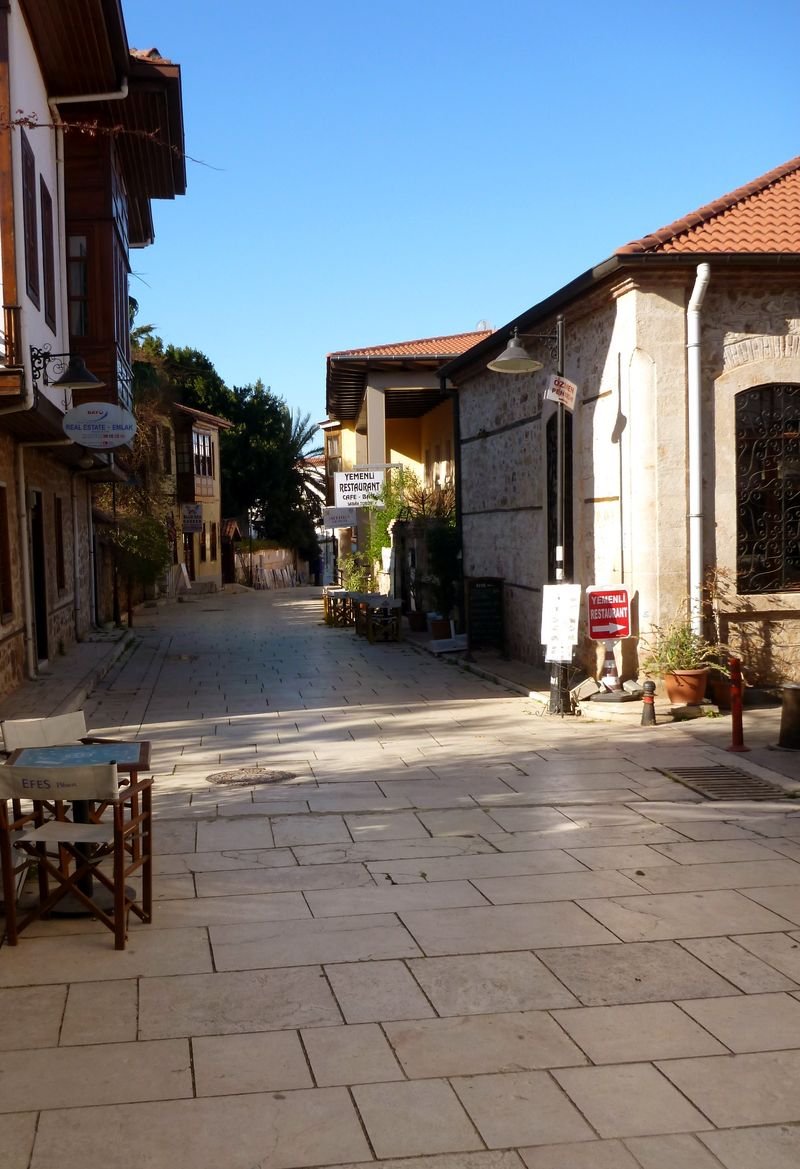
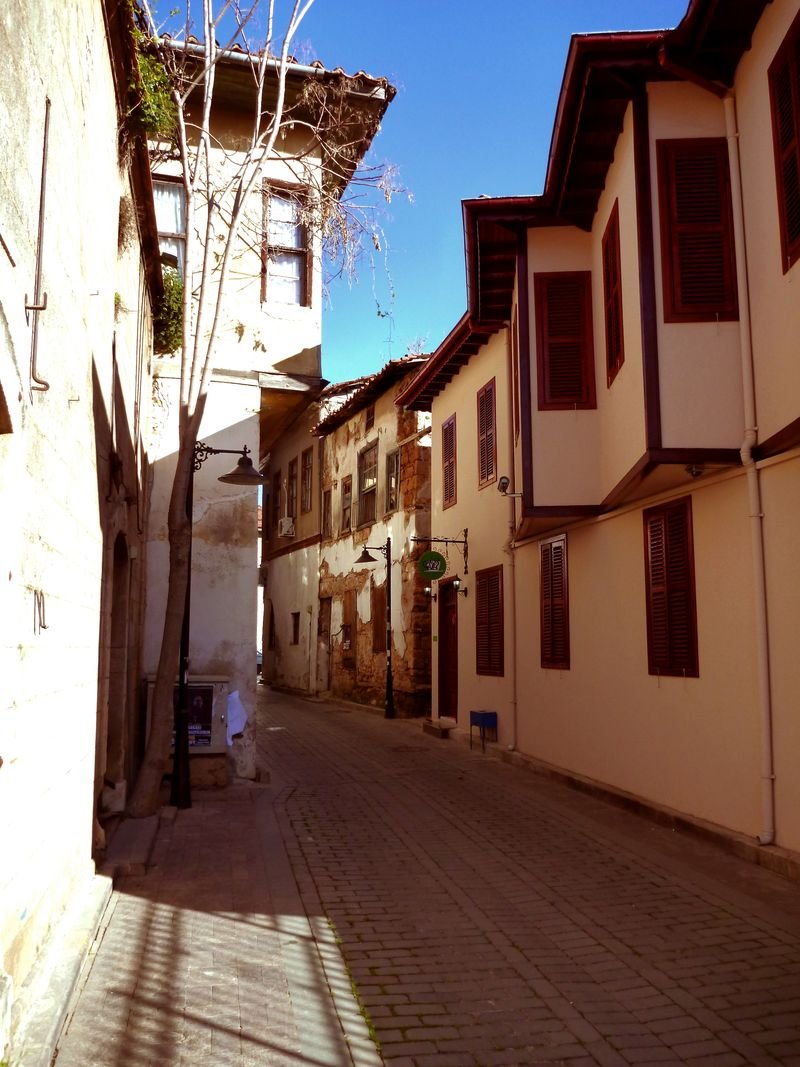
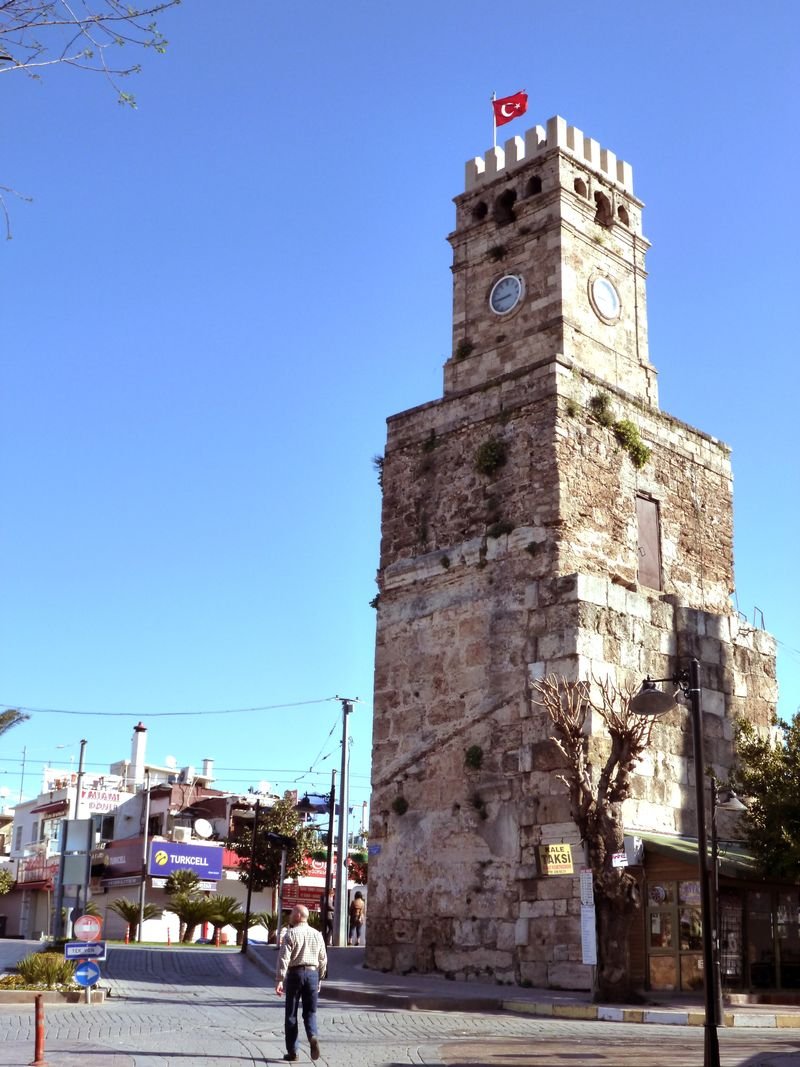
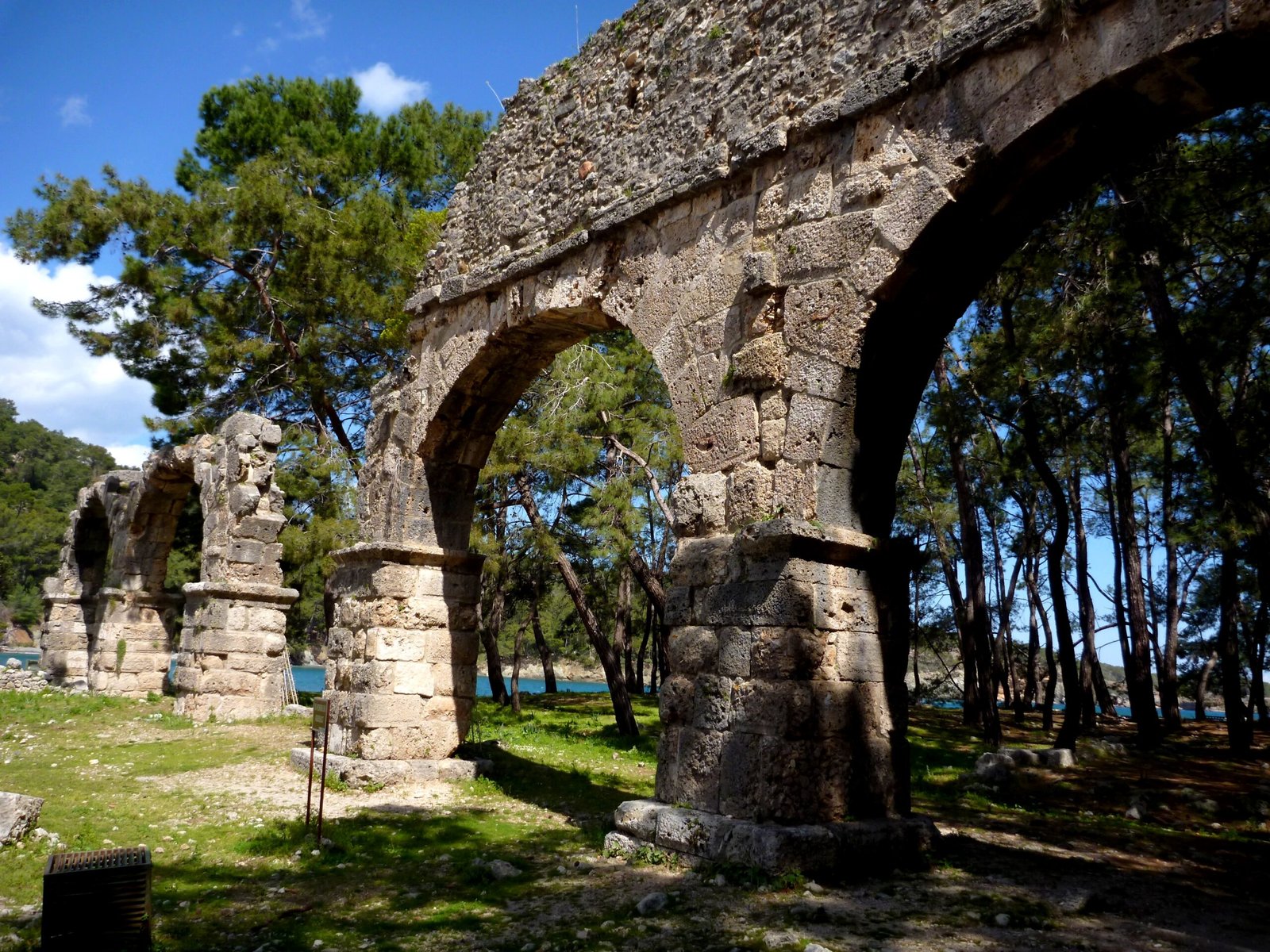
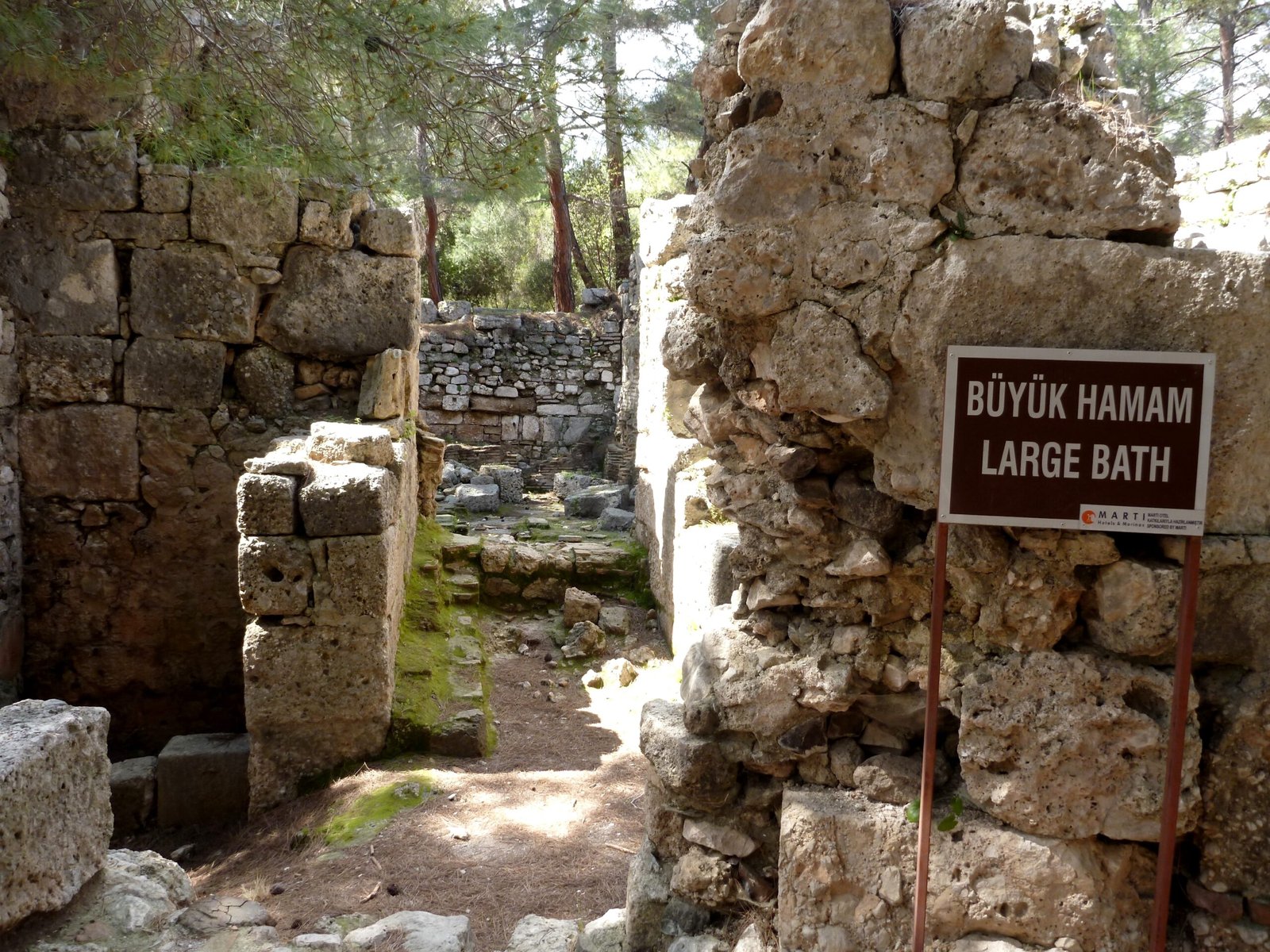
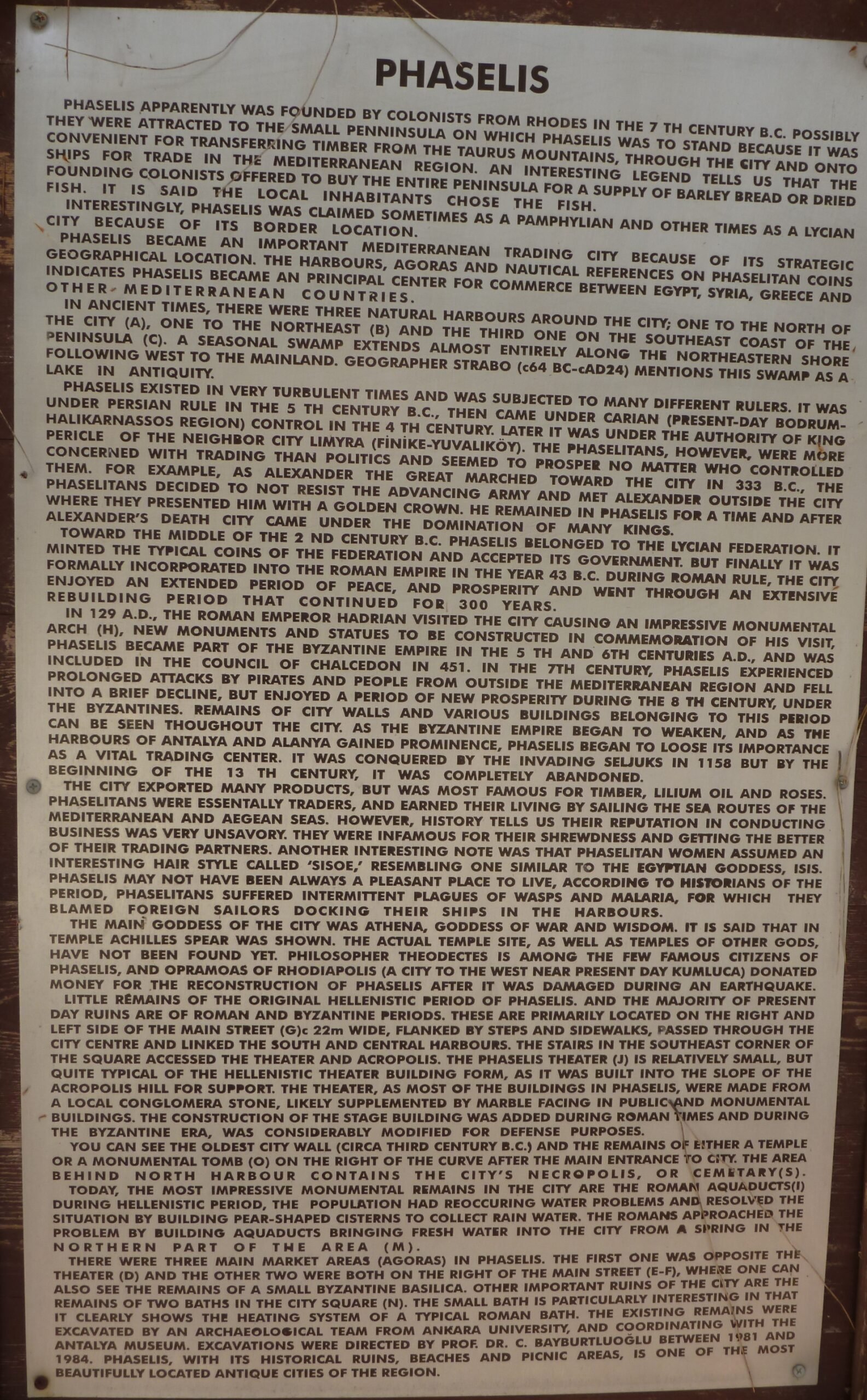
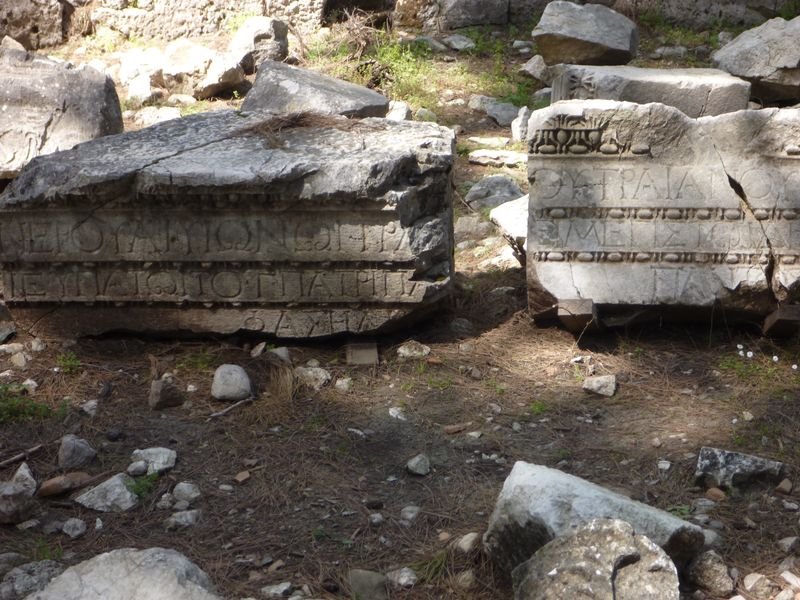
With really not that much more to offer I decided to continue my journey along the southern coast. I made my way back to the train station and found a local bus that would take me to the village of Olympus. The bus was in no way direct. We just drove down along the HWY that wrapped along the coast getting off at each city looking for passengers. We circled until the bus was full and then got back on the road to the next town. A 25 mile journey took about 2 hours. I was just praying as we passed each exit that we would not turn off and continue on towards my destination. I asked the bus to let me off at the Roman ruins of Phaselis.
The city was actually founded in 700 BC but did not see major development for a few hundred years when the Romans used it as a major trade route stop.
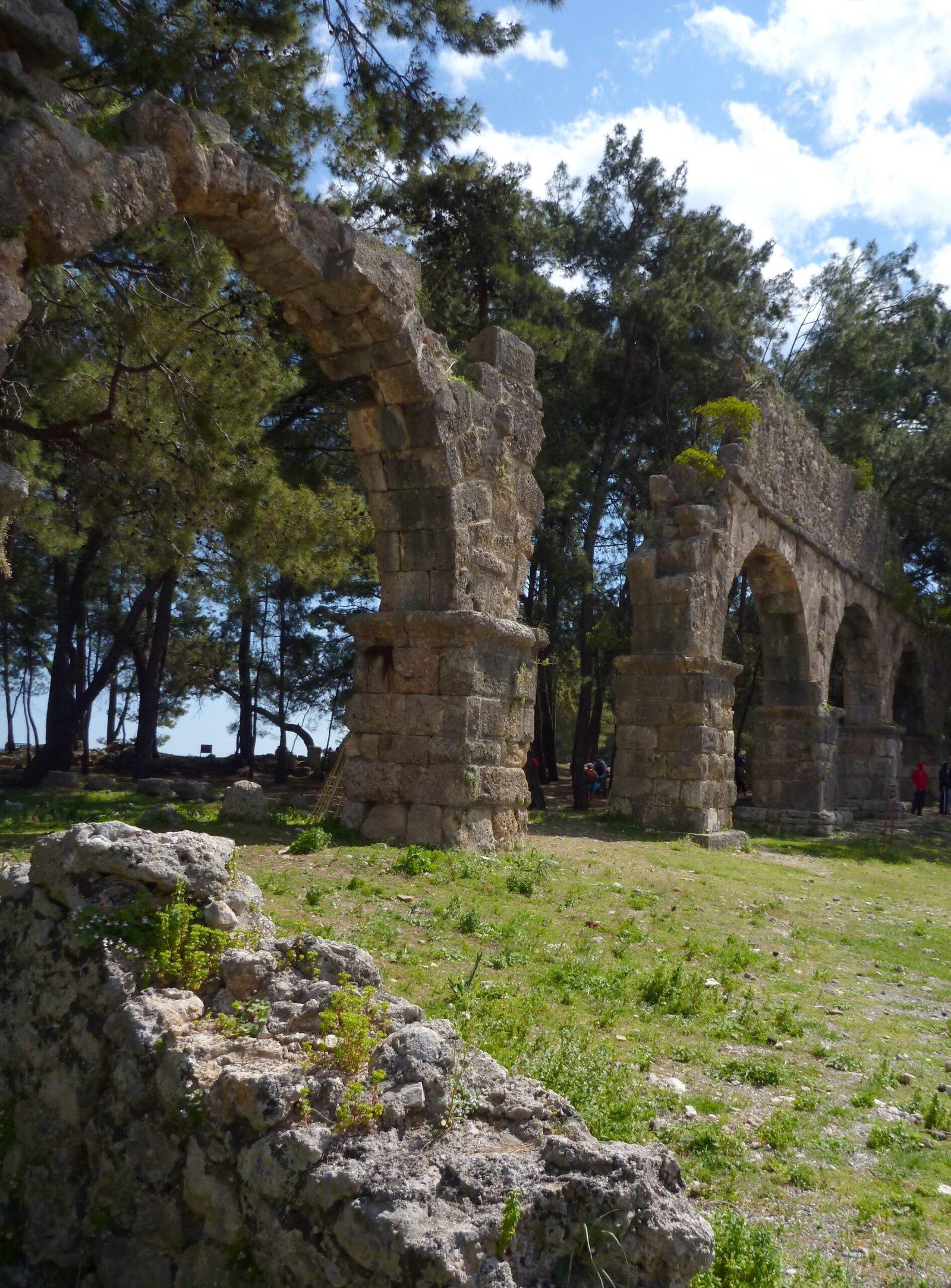
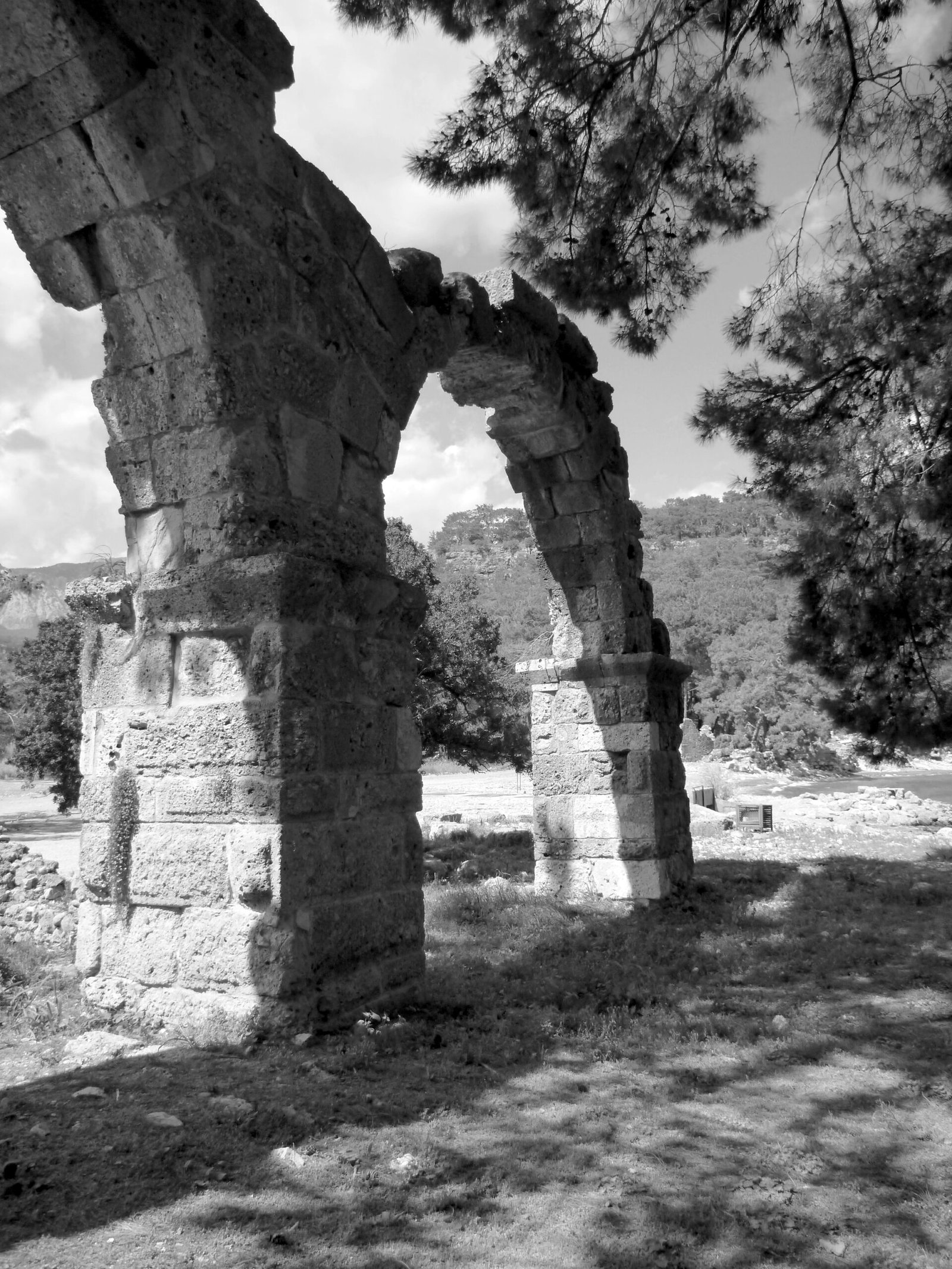
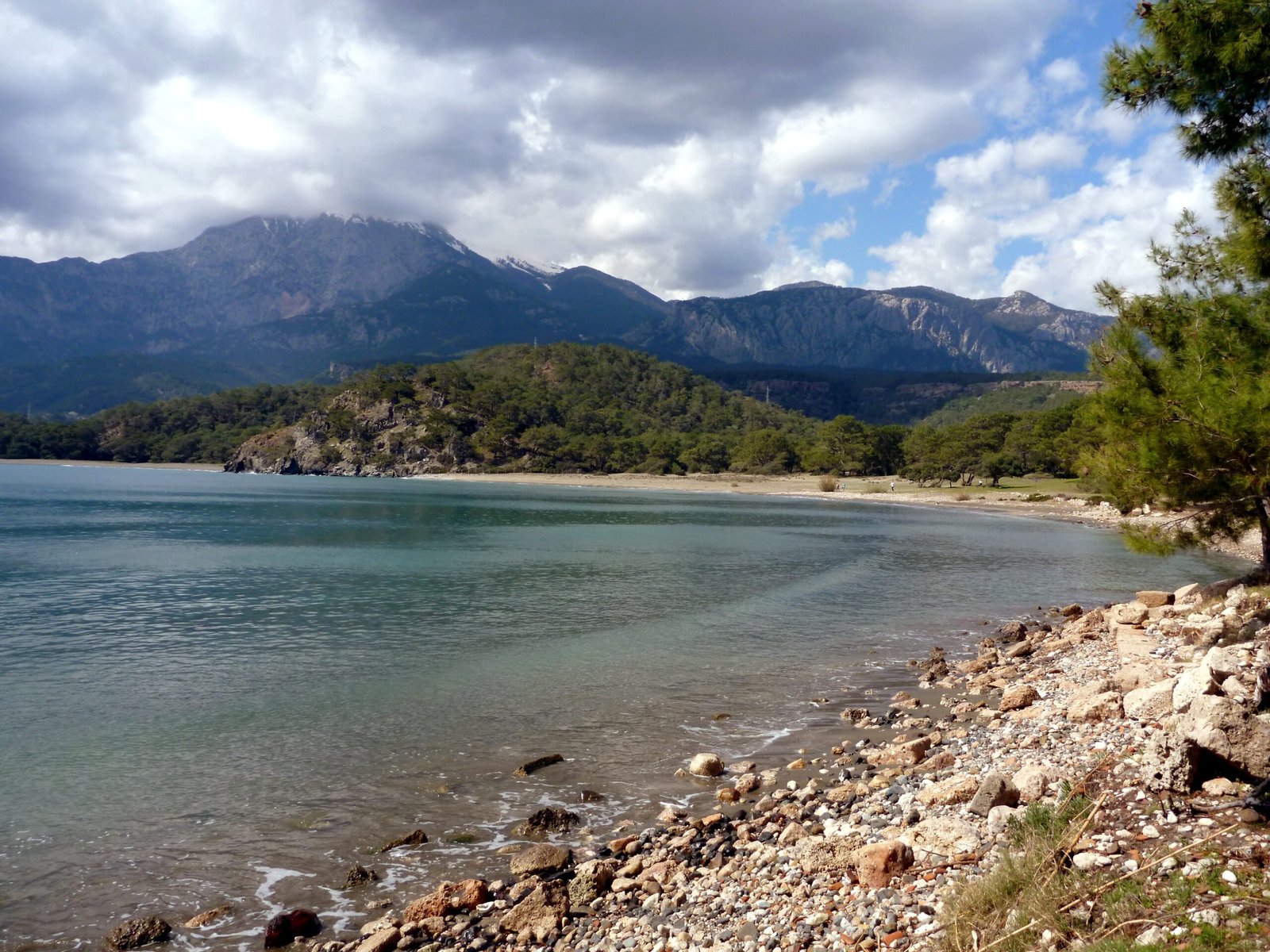
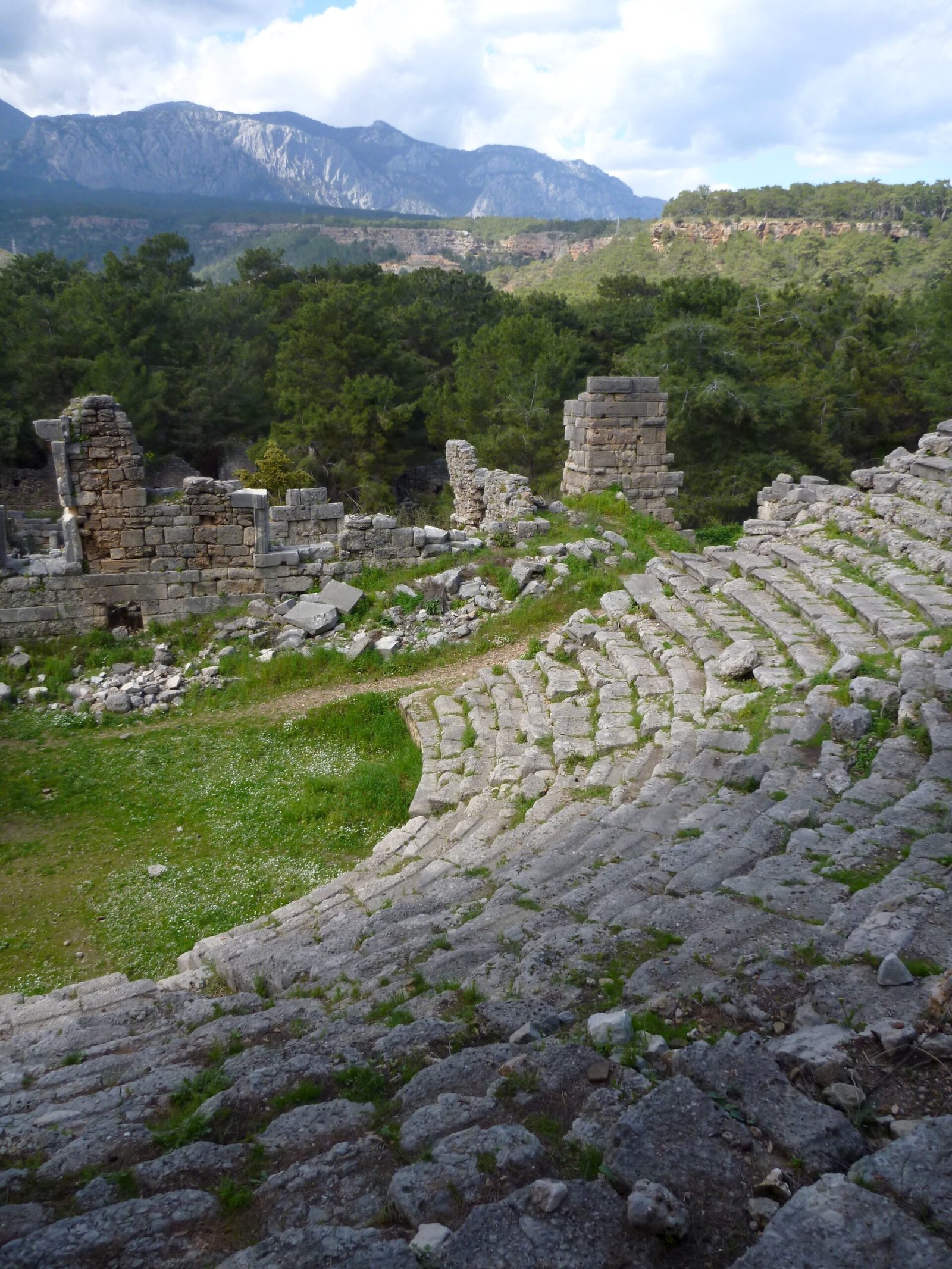
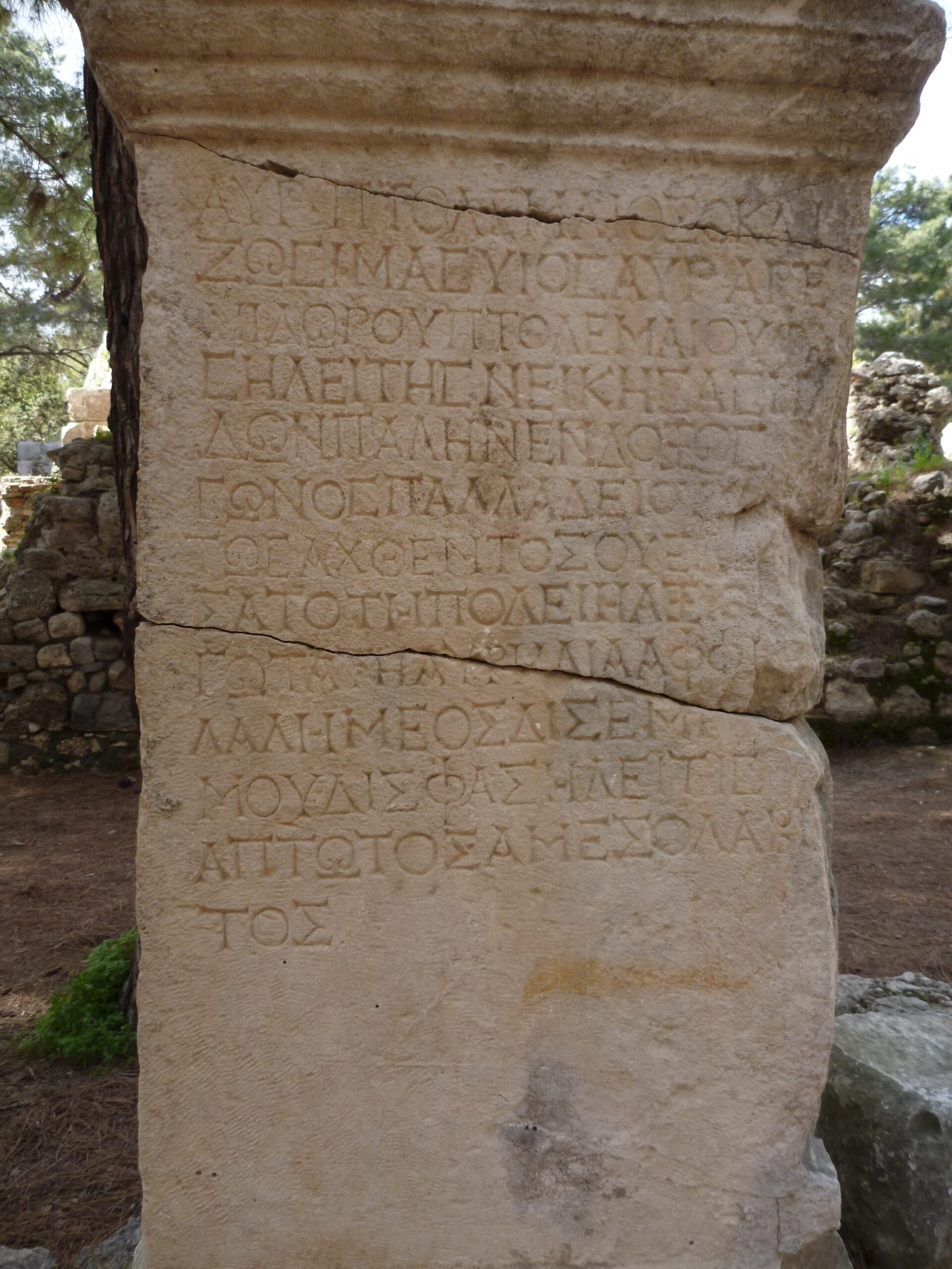
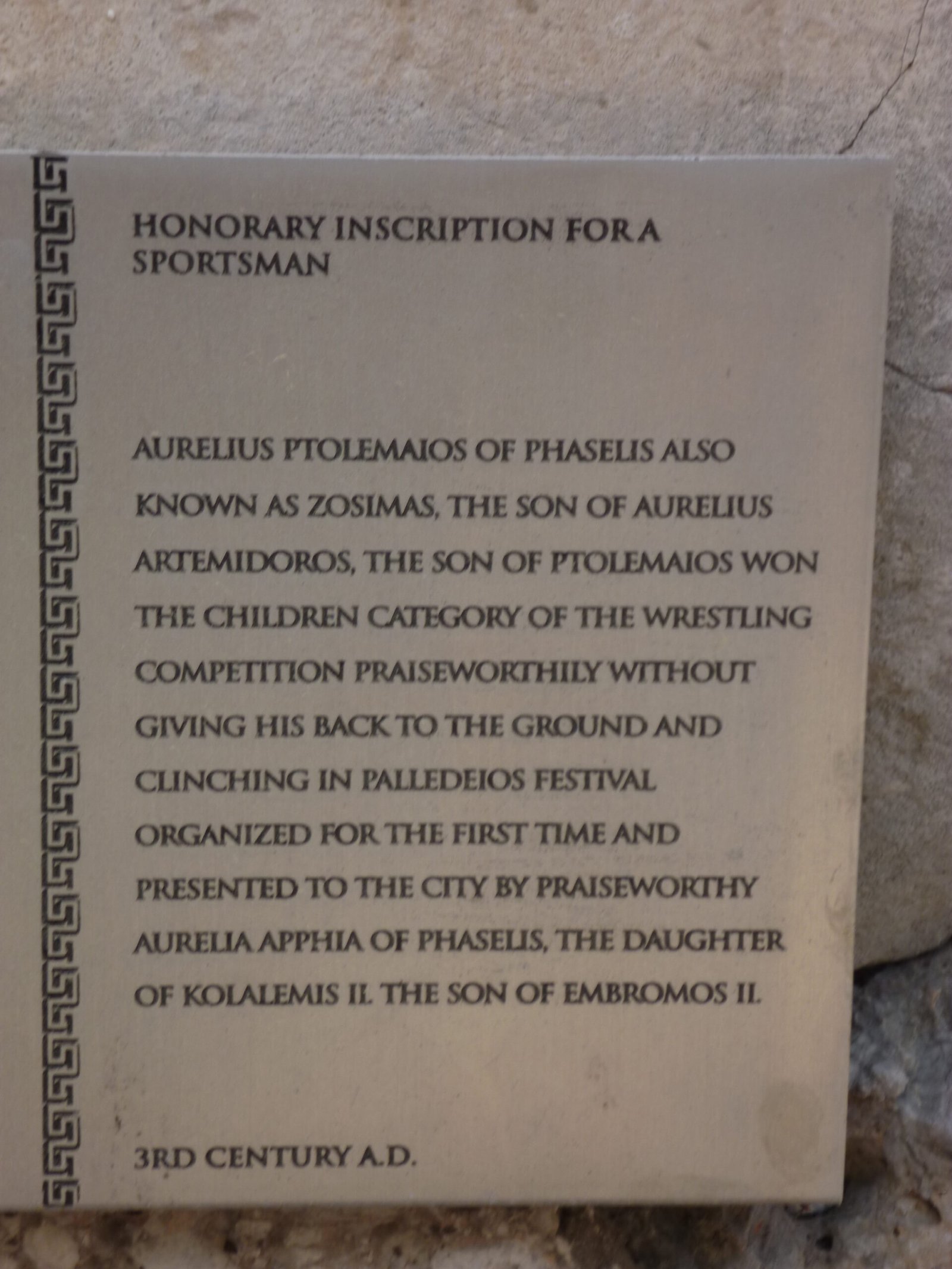
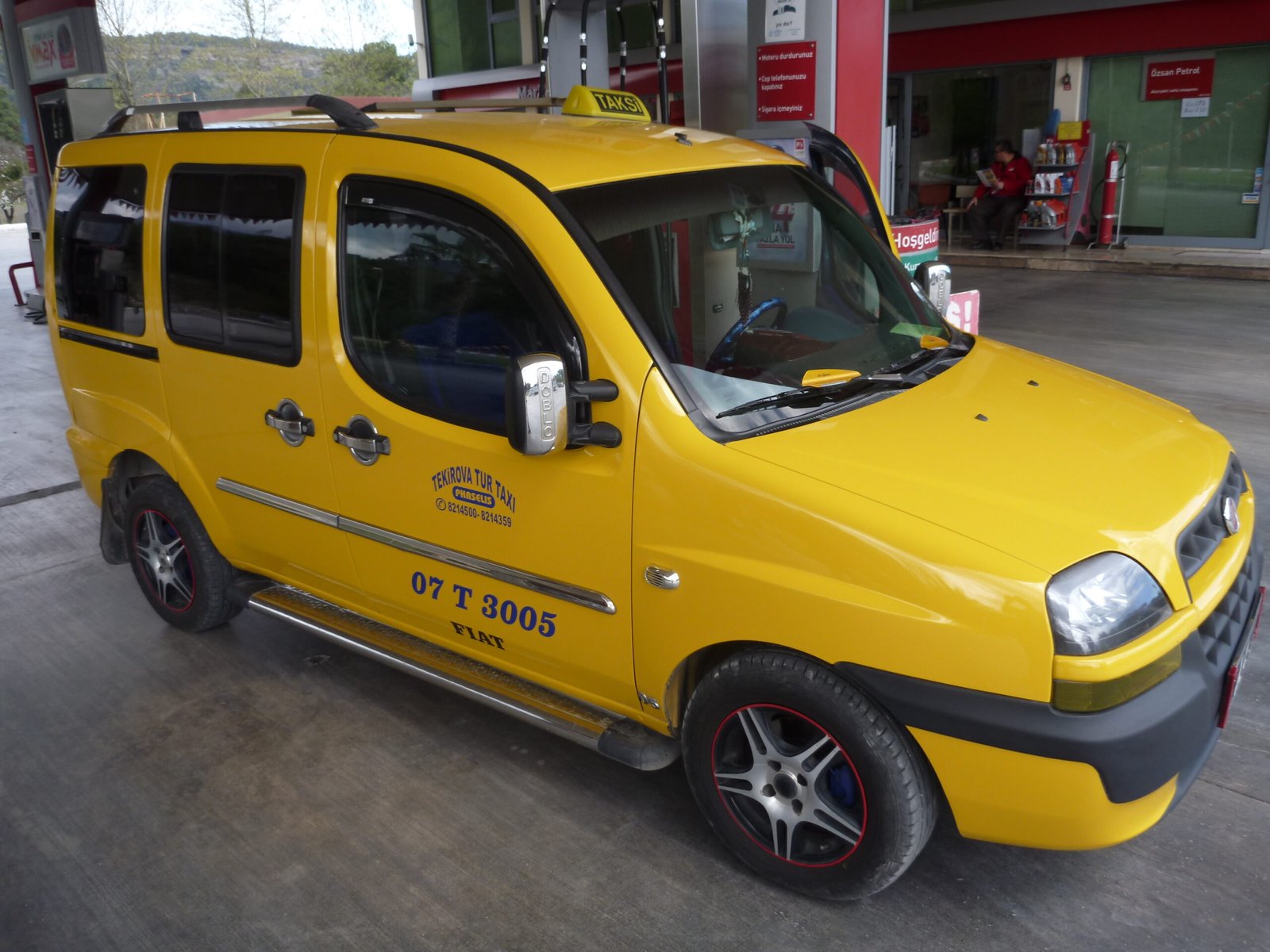
After walking about for a bit, soaking up the scene, I started to walk the couple miles back to the freeway. A cab came buy and offered me a ride to Olympus, another Roman site a few miles West. I exchanged price negotiations and settled on 50L. I got in and soon realized this guy was a bit nuts. He kept talking and making jokes in Turkish and looking at me to laugh at what I can only assume where the punch lines. I don’t speak Turkish! Please stop talking to me. He offered me a loaf of bread as we stopped to fill up at a gas station
We wound our way down into the valley of Olympus
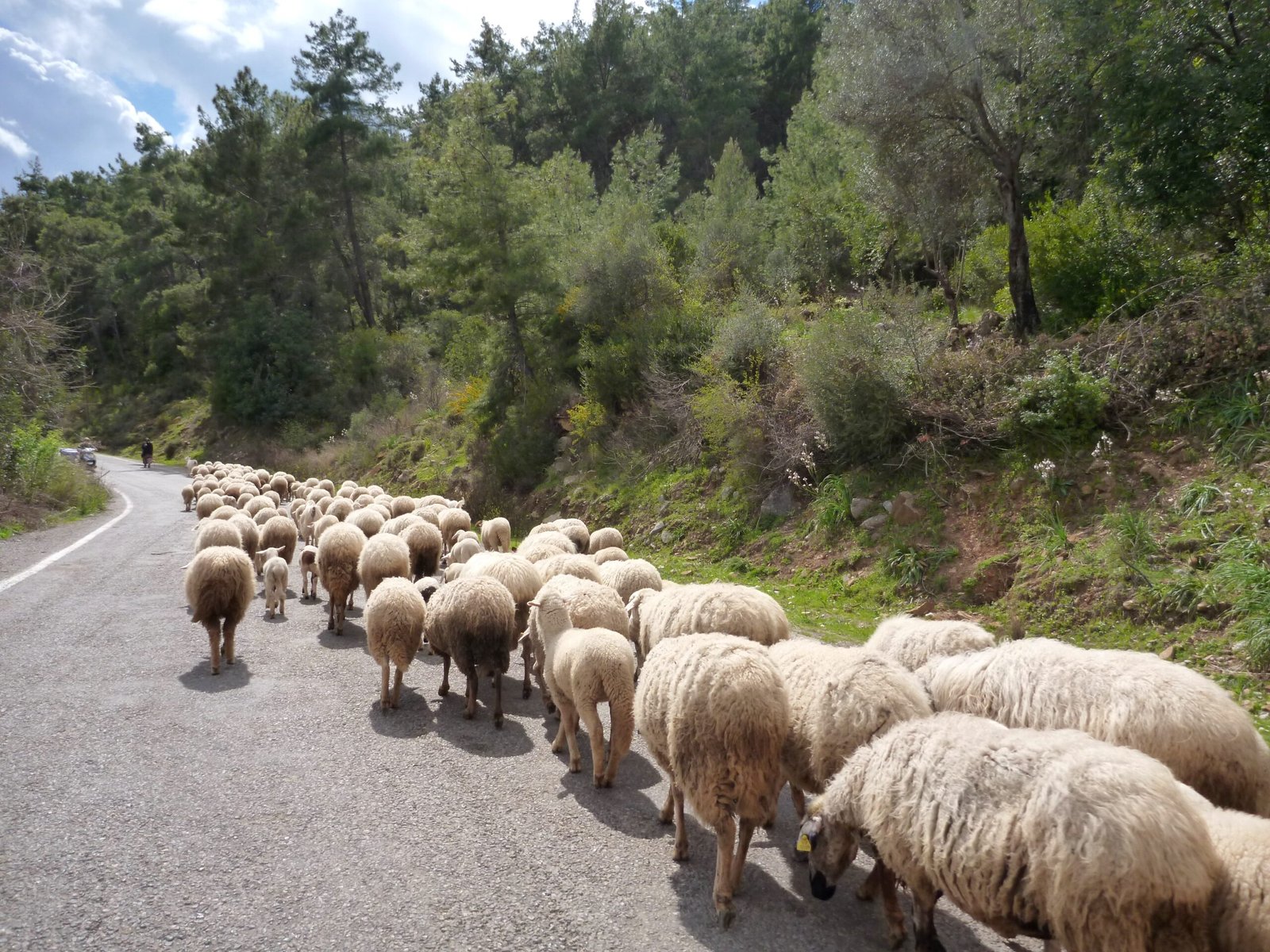
We got cut short as the road was flooded and I had to go on foot from here. I handed him the money and he said no 50 Euro. Are you fucking crazy! That is more than double what I offered. Where do you get the impression I would be paying in Euro. I told him I was American. I know he was ripping me off, but I decided payment was better then getting into a fight with this local.
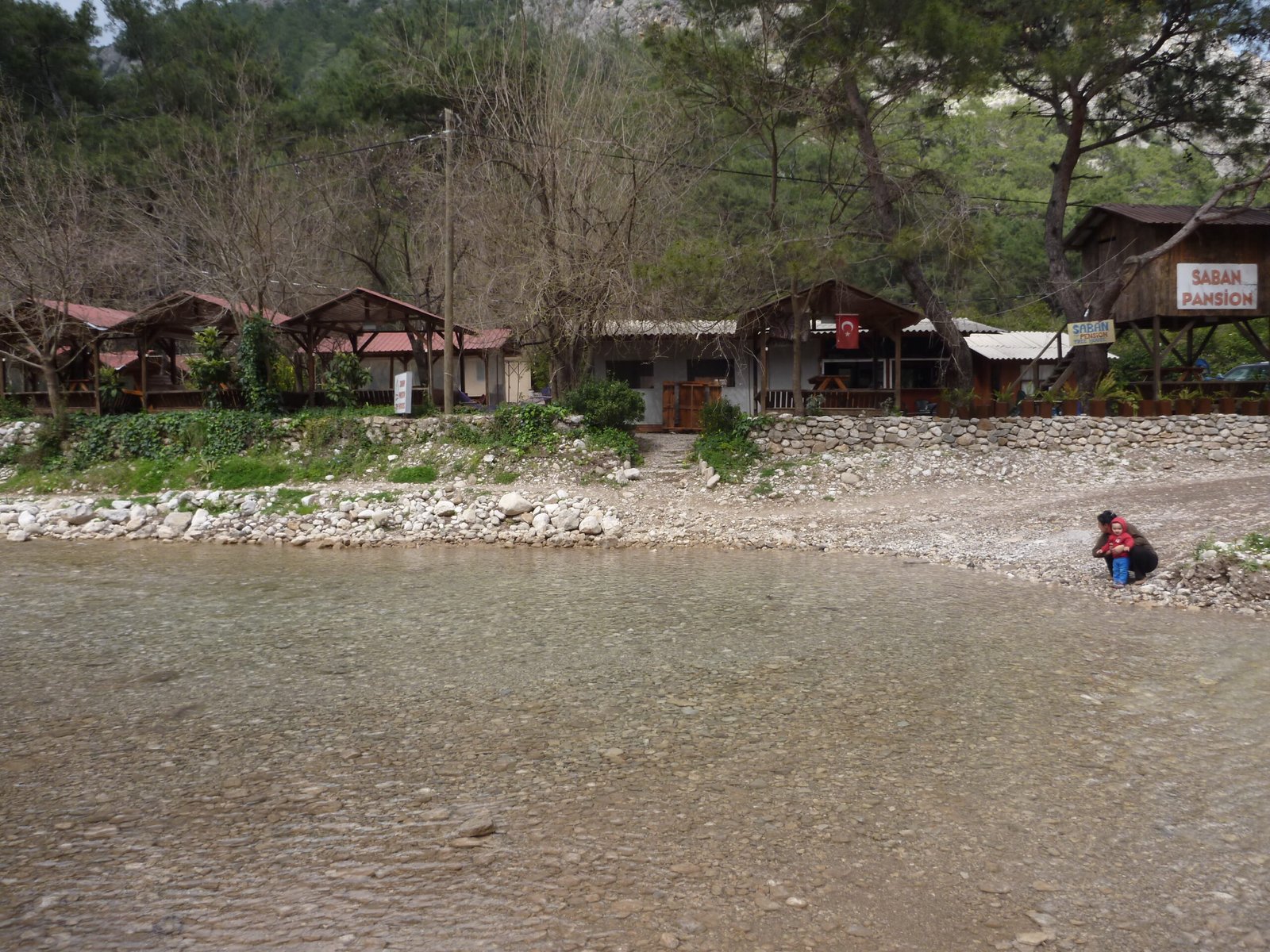
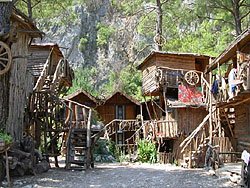
I made my way to the first hostel, which came as a recommendation from a bartender in Cappadocia. It was called Saban Tree House
In Lycian times the ancient port city of Olympos was one of the members of the Lycian Federation. During this period the city was subject to raids by pirates. Later, the city was rescued by the Roman commander Isauricus. The city’s wealth was due to its strategic trading position – it benefited from Genoese and Venetian traders who took advantage of the city’s natural harbour. Moving seventeen centuries on, Olympos(Olimpos) is now the destination of those seeking tranquility in aesthetically pleasing surroundings.
The owner was a lady about my age who was very open about life and her travels and loves over the years. I asked if she could rent me a bungalow with a shower and she showed me this
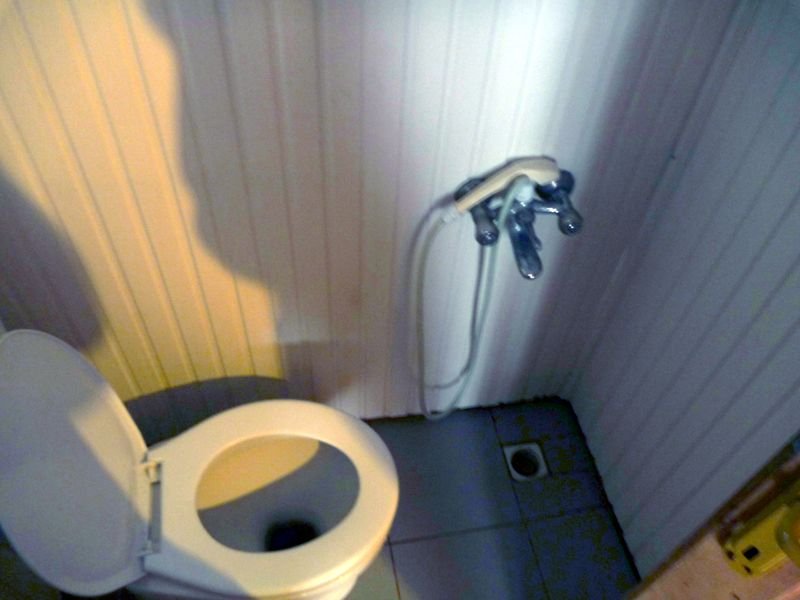
She smiled and said, it will be fun, like a shower on a boat! Sounds good to me
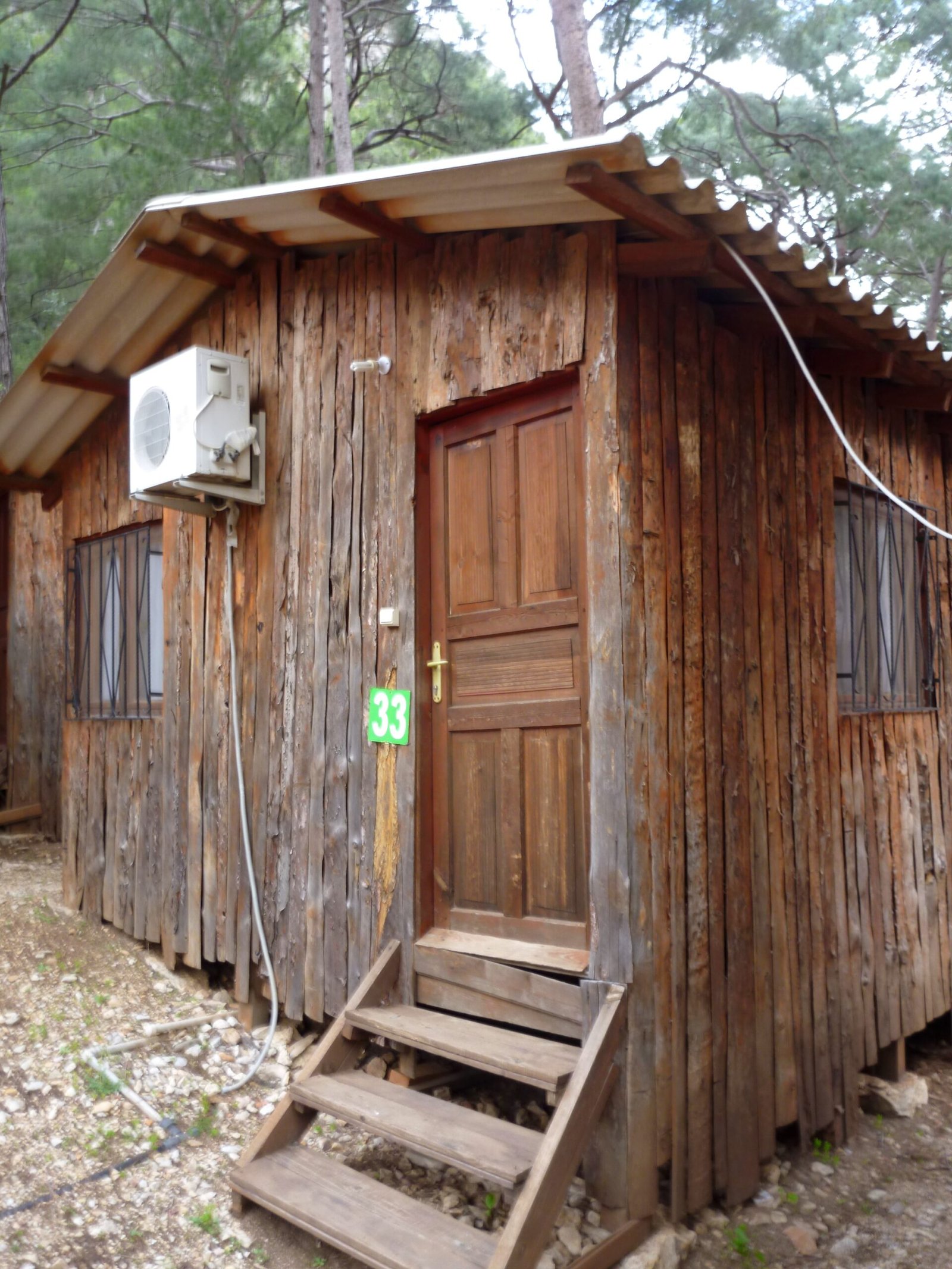
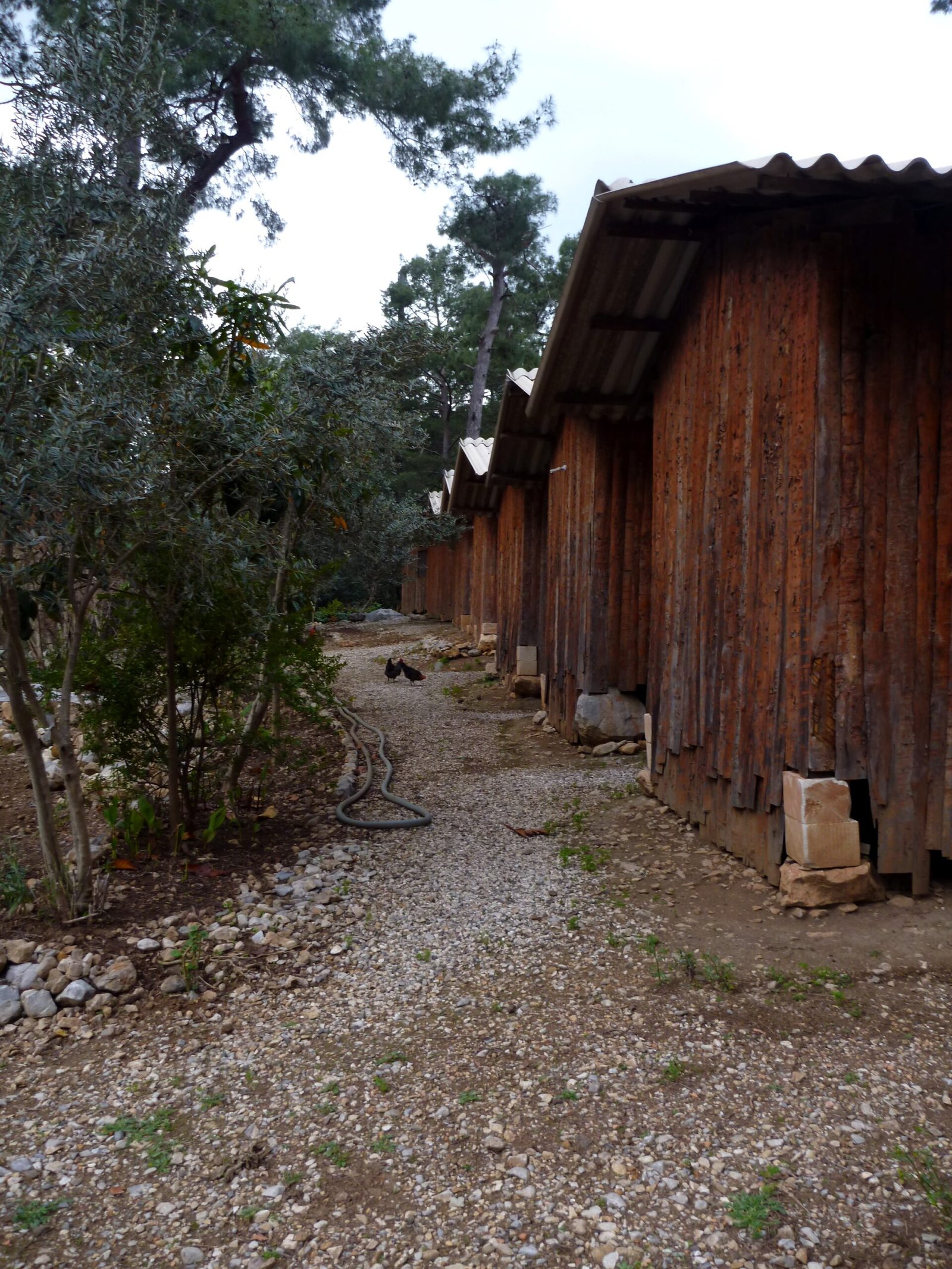
I showered up in my boathouse and made my way to the ruins and the Mediterranean coast.
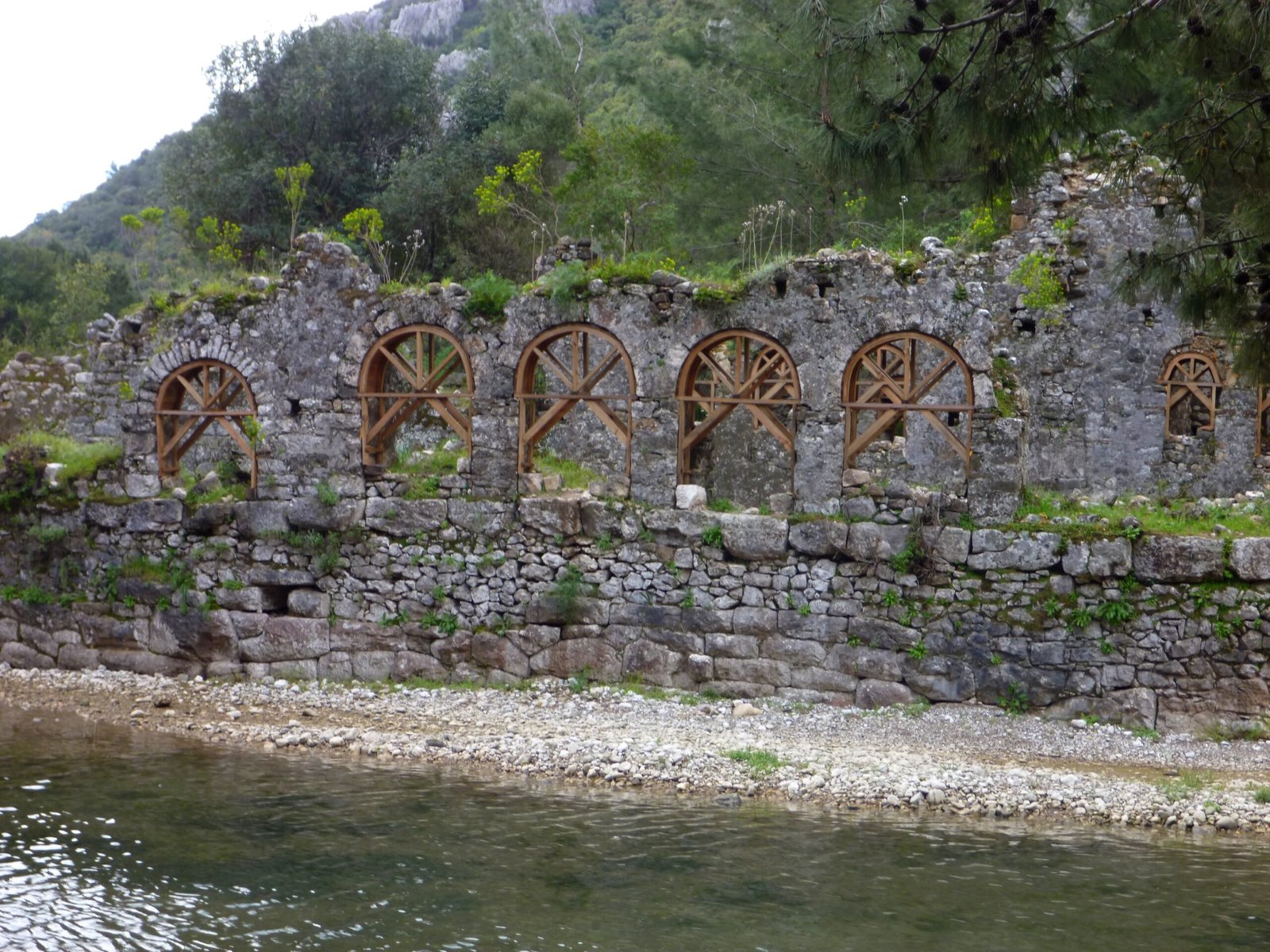
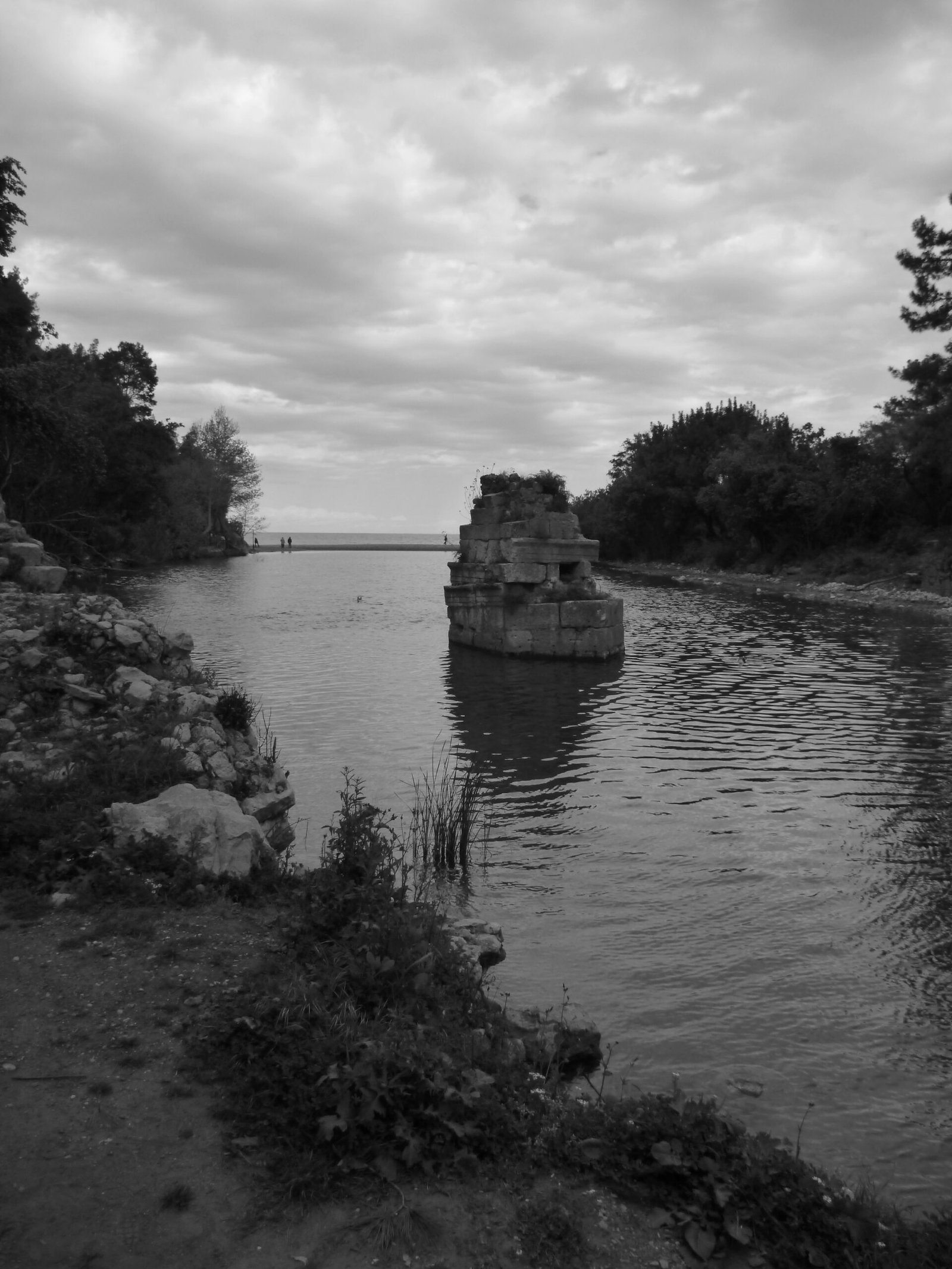
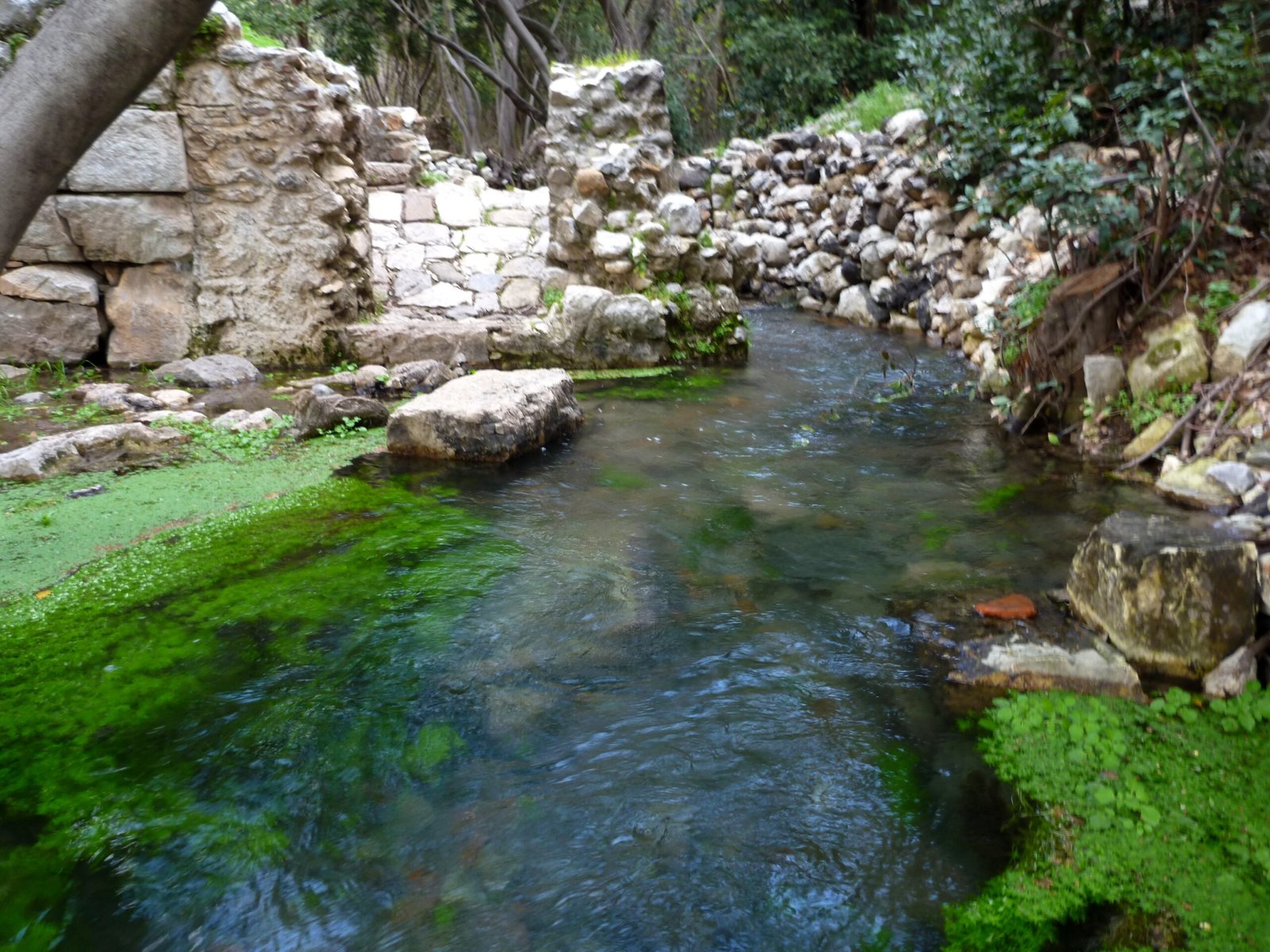
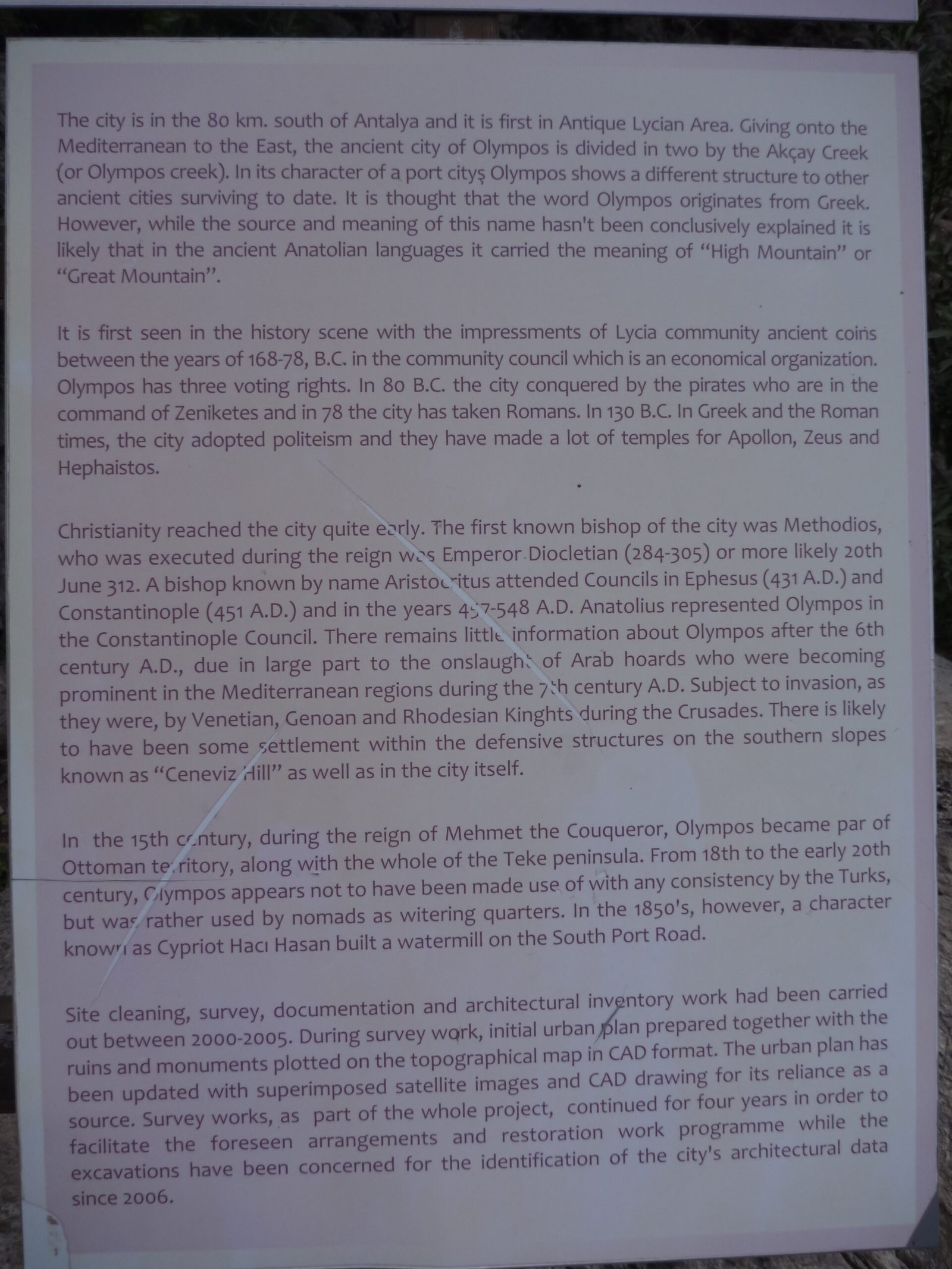
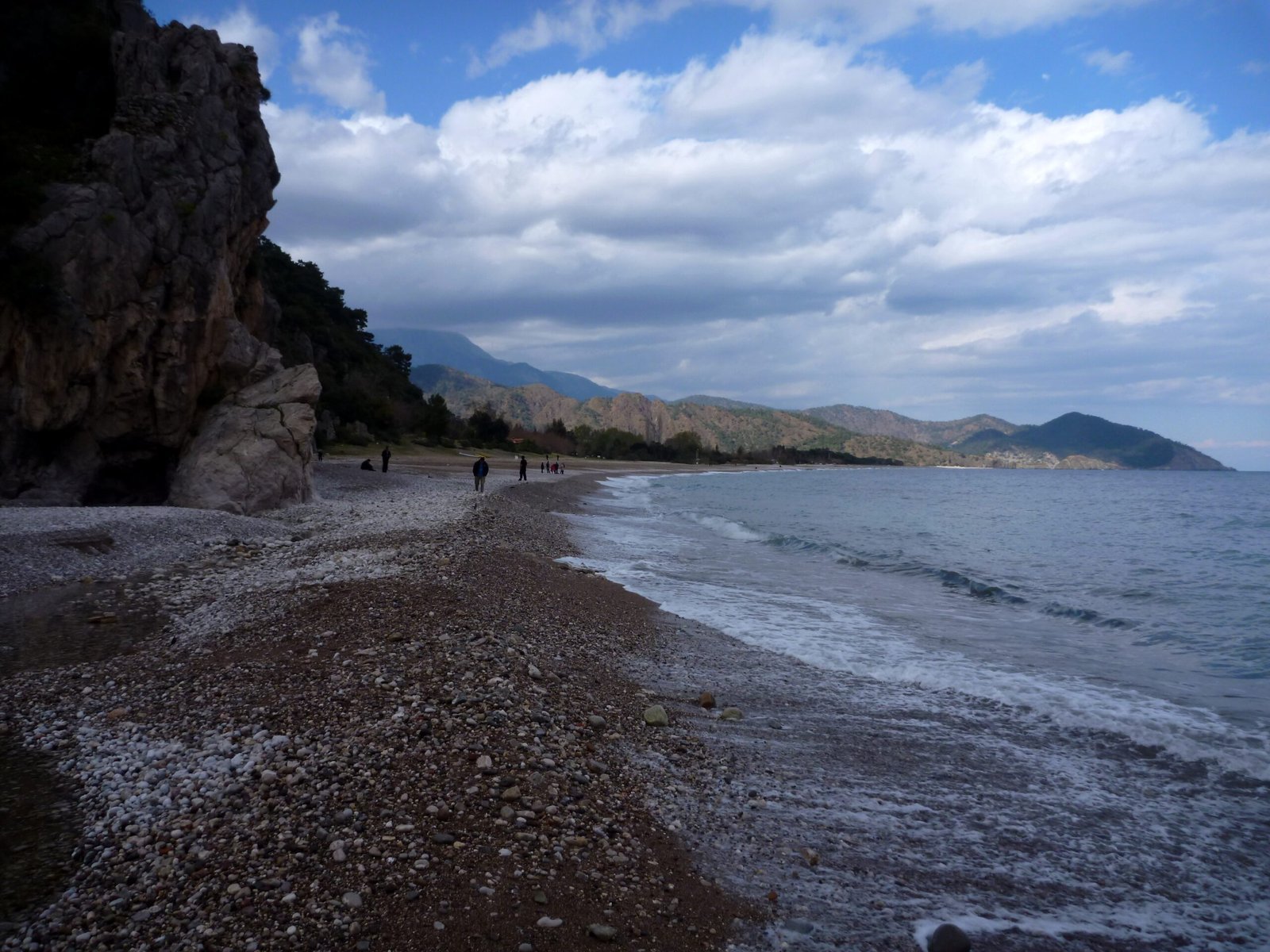
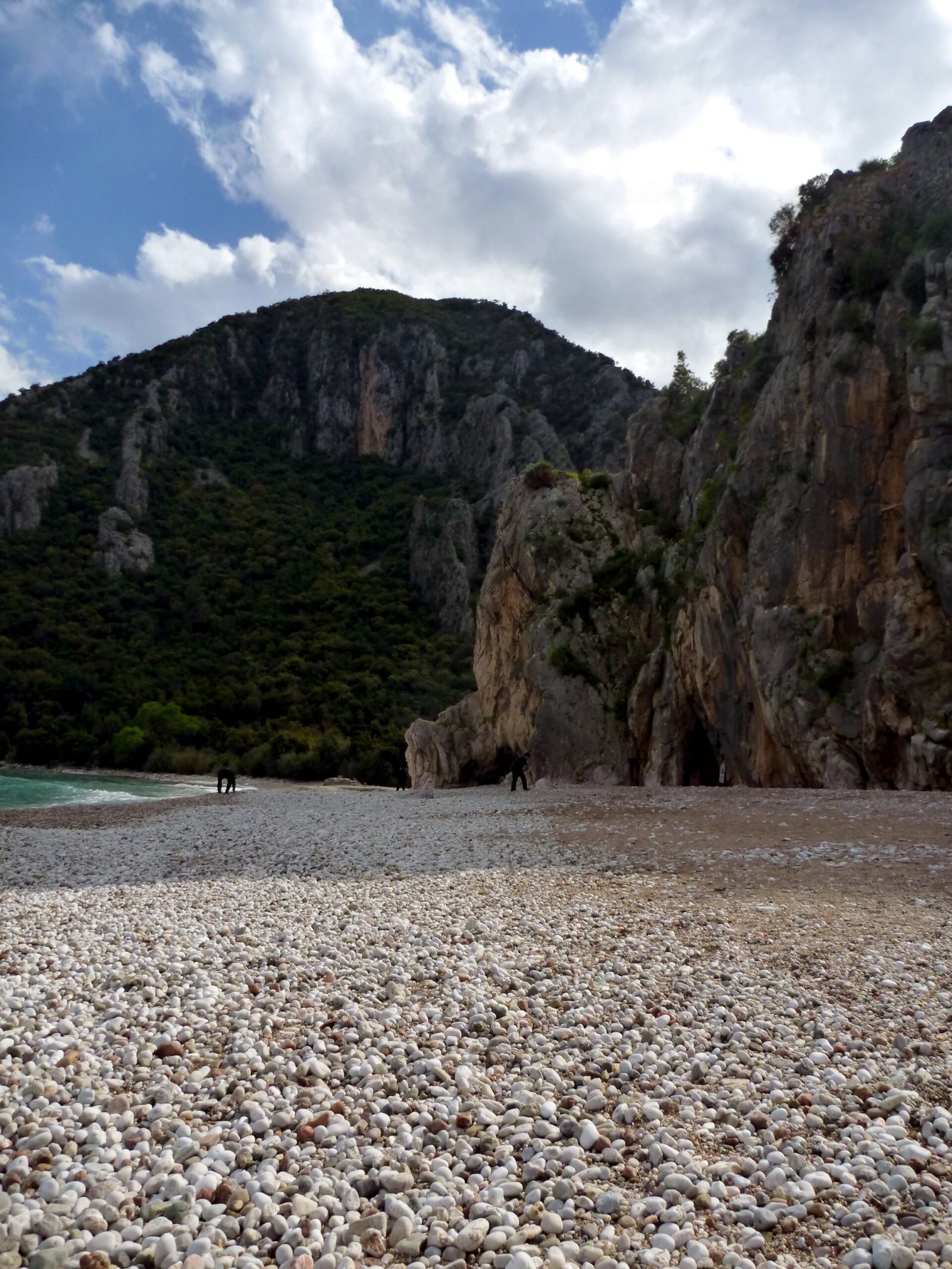
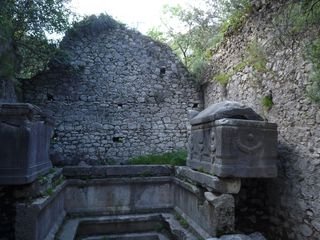
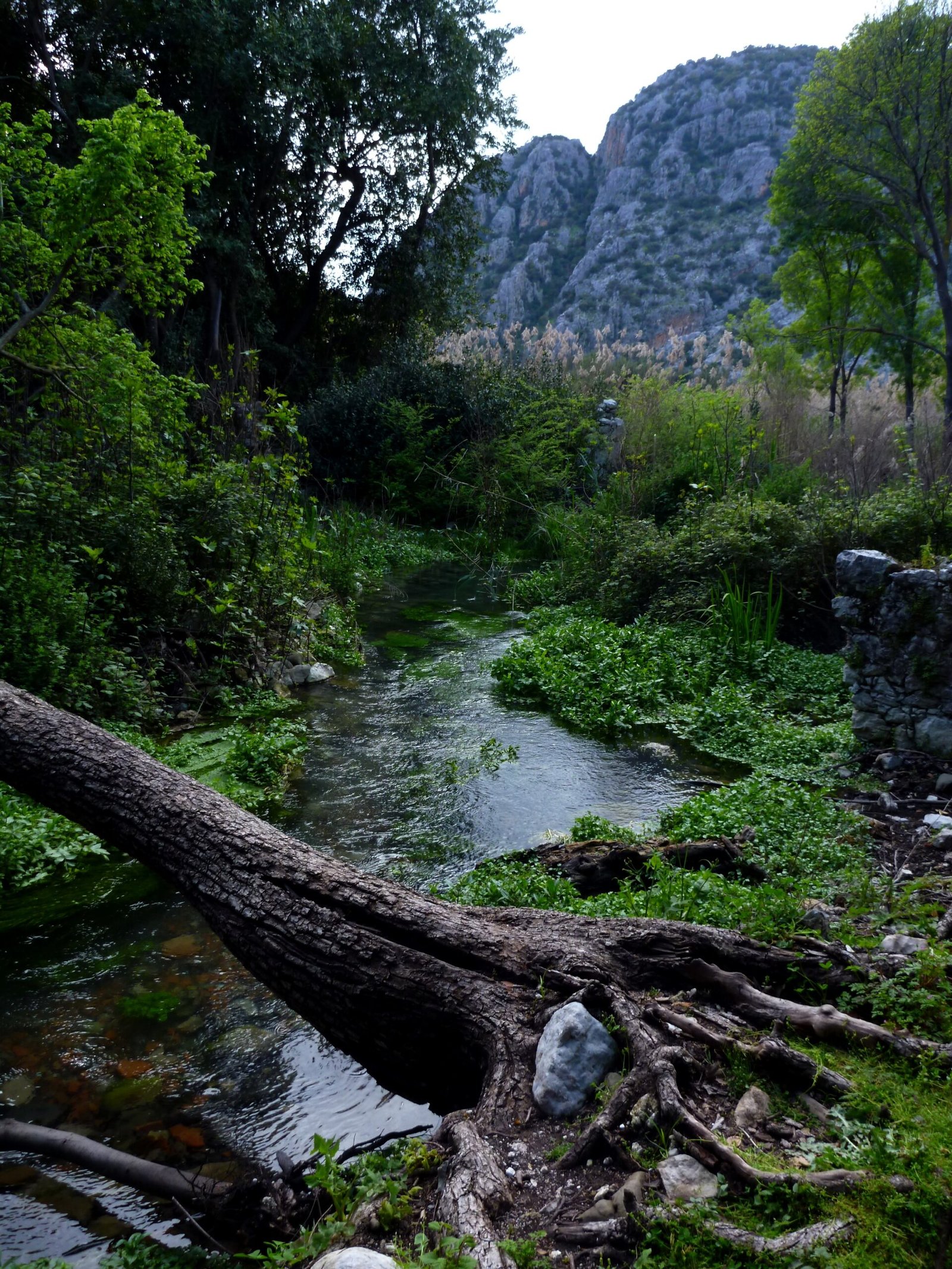
I came back, took a nap and was awoke by the owner for dinner around 8pm. She cooked a mix of chicken and vegetables. We sat and talked for a bit along the river and then I crashed hard. I wanted to do the 2 hour night hike to some eternal flames that emerged from some rocks, but the bed was too comfortable.
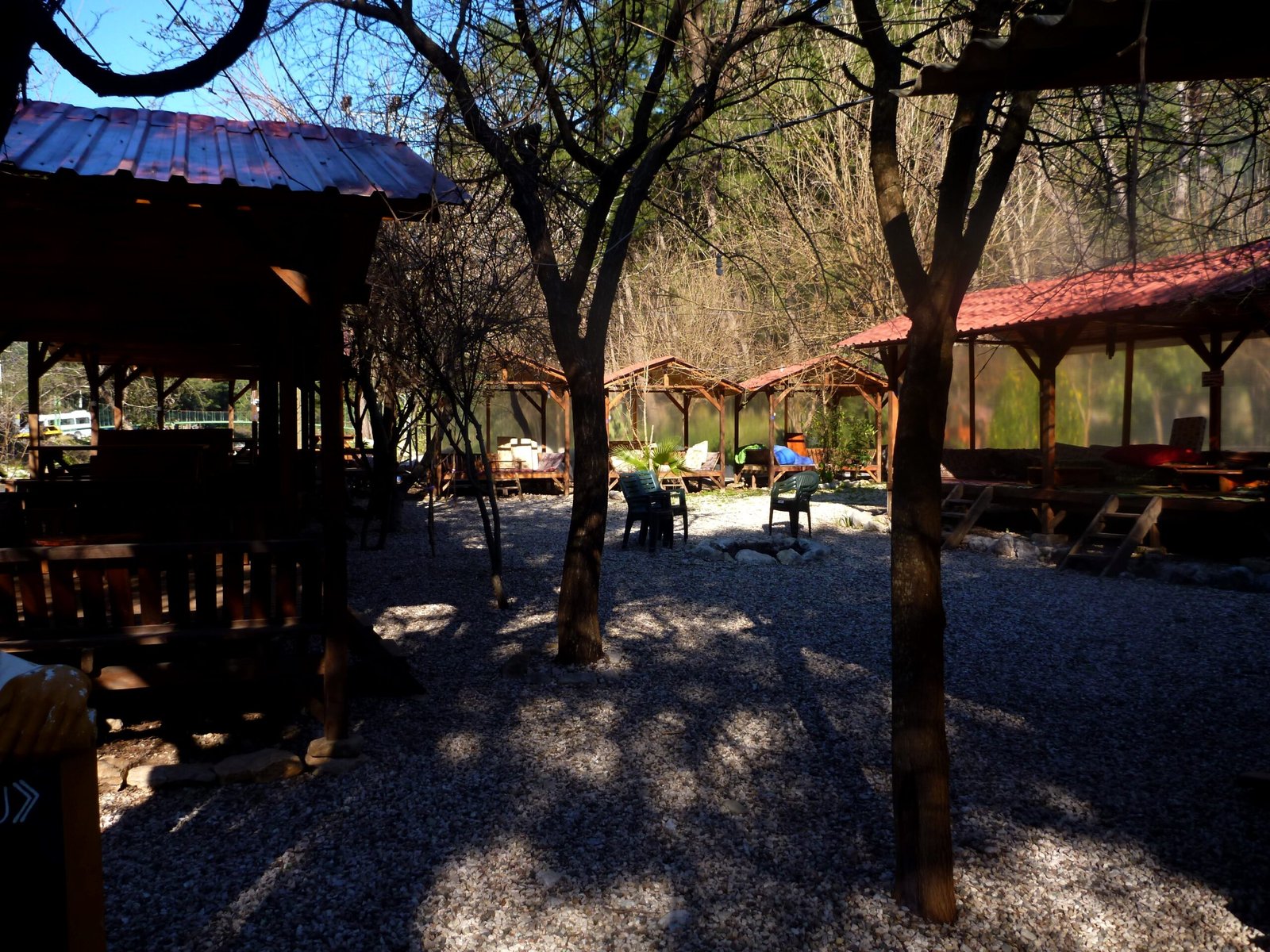
It was a cold night, but I made it through and was up for breakfast and on a shuttle out of the valley before 8am. Tomorrow I was hoping to make it to the Bohemian beach town of Kabak.
Until Tomorrow
Darren
« Turkey: It’s Nobody’s Business but the Turks (Day 2 of 7) | Main | Turkey: It’s Nobody’s Business but the Turks (Day 4 of 7) »